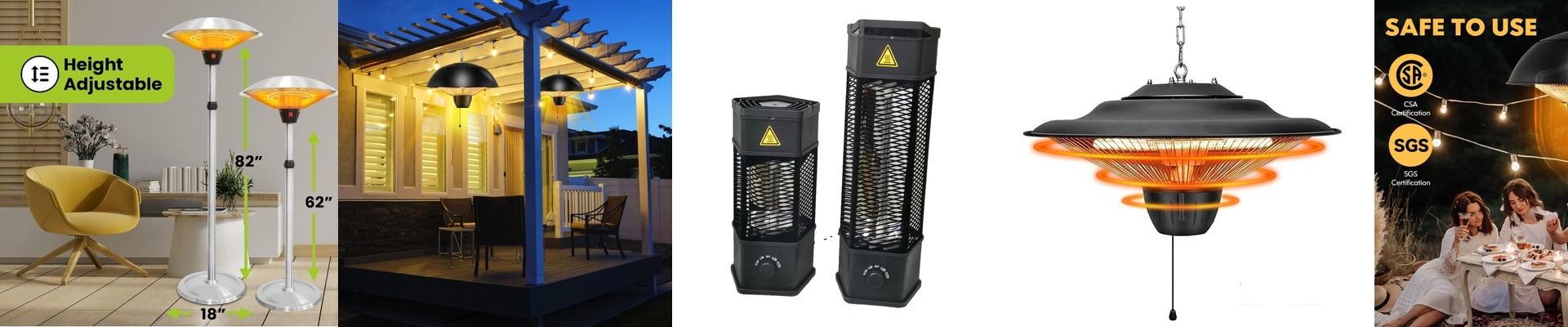
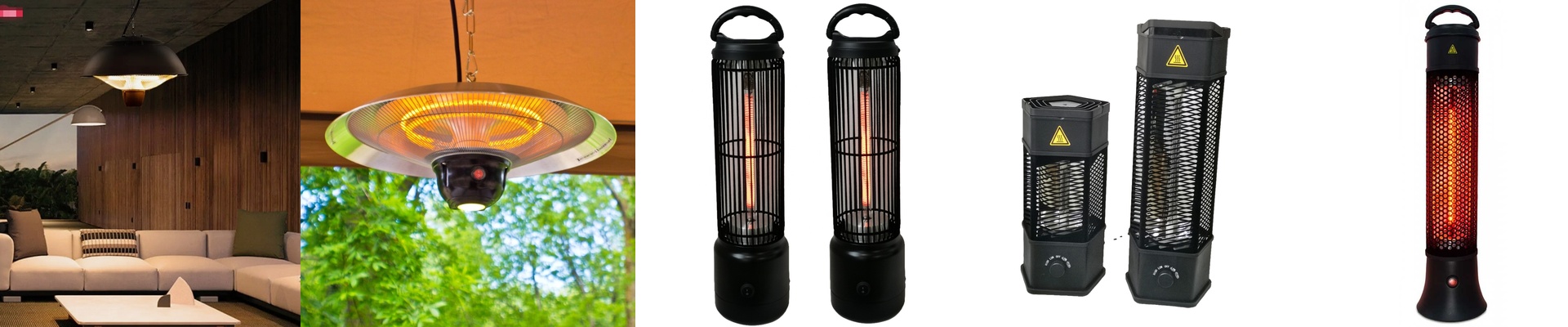
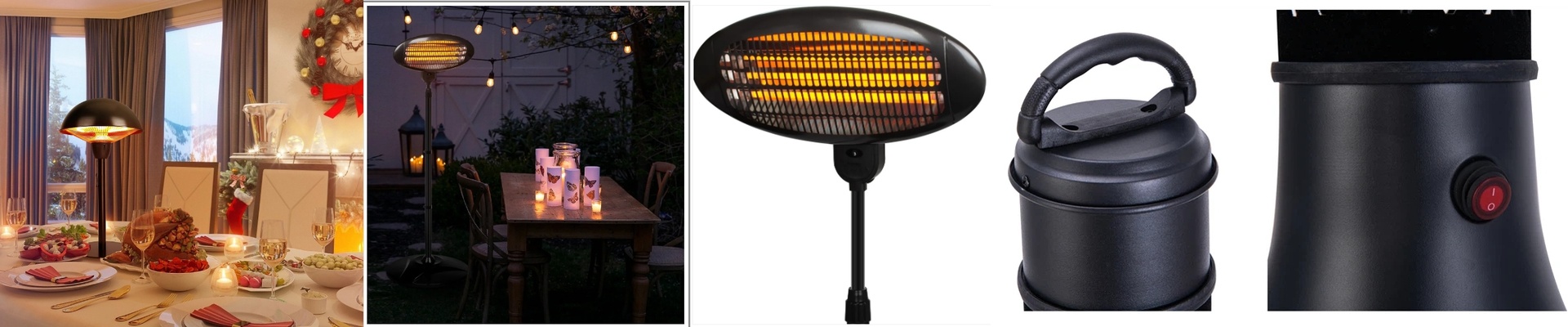
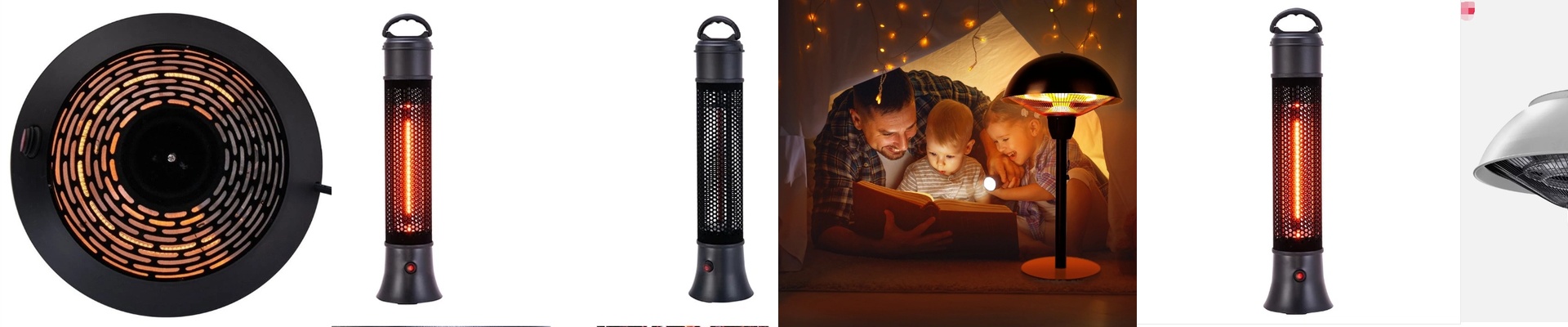
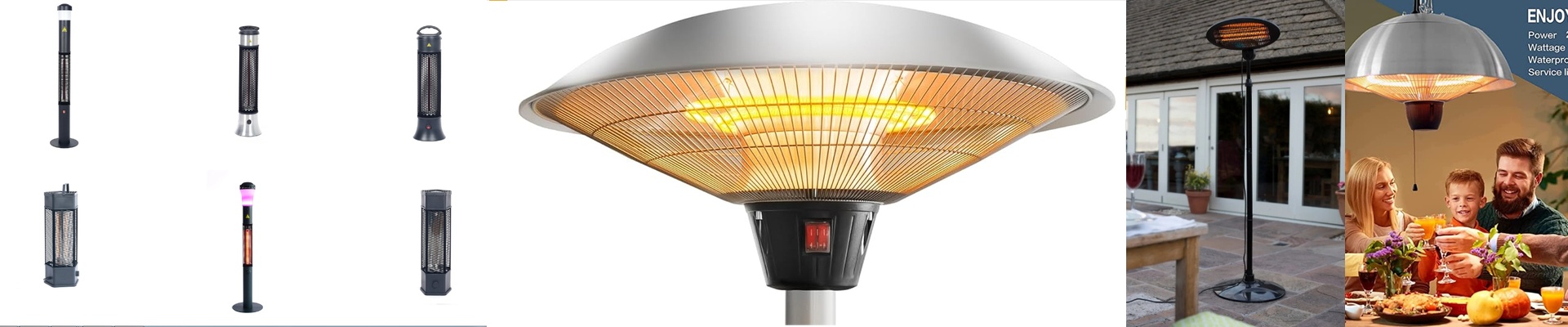

There’s nothing worse than a crisp evening turning awkward because your outdoor heater gives up right when the guests arrive. One minute everyone’s comfortable, the next the mood dips, conversations get cut short, and you’re left making excuses. We built our halogen heater bulbs to stop that exact moment from ever happening.
What’s actually going on under the hood
A halogen heater bulb delivers instant infrared warmth by heating a tungsten filament inside a quartz envelope, then relying on the halogen cycle to keep the element clean and stable. What you feel is direct radiant heat—no warm-up, no fan pushing air around, just steady output the instant you flip the switch. Typical ratings run 1,000–1,500 W, in common voltages (120 V / 230 V) and standard bases (E27 / E39), so they drop into many existing patio heaters and outdoor electric heaters without rewiring. And that quartz tube handles thermal shock well, which matters when you’re cycling the heater on and off as the evening cools.
Why this approach fits real outdoor conditions
Outdoor heating isn’t just about chasing a temperature number. It’s about keeping people comfortable when wind and open space strip heat away. Infrared heat from a halogen bulb targets people and surfaces directly, so warmth lands fast—even when the air stays cool. And because the design supports long service life—often 3,000–5,000 hours depending on use—you spend less time swapping bulbs and more time using the patio, deck, or alfresco dining area. For homes and businesses that care about practical sustainability, that longevity means fewer bulbs ending up in the waste stream.
What you need to watch on the job
These bulbs get hot, and they perform best when matched to a heater with proper housing and safety controls. Use a fixture rated for the wattage, keep the clearances as specified, and don’t touch the quartz surface with bare skin—oils can create hot spots. If you’re running in a wet climate, pick a heater enclosure with a suitable IP rating; the bulb itself isn’t waterproof. And before you swap, confirm the base size and wattage match your unit. Compatibility is straightforward, but it still has to be checked.