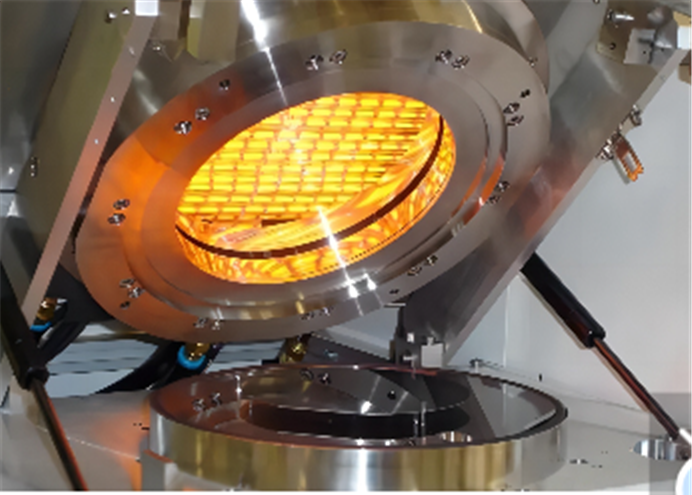
On the lithography floor, a 0.3°C drift during photoresist soft bake can push line-width excursion through etch and straight into yield loss. Thermal budget doesn’t give you a second chance. We built zoned heating for advanced wafer fabs to keep temperature where it needs to be—on the wafer, across the surface, and inside the process window. যখন lithography মেঝেতে photoresist soft bake চলাকালে 0.3°C তাপমাত্রার পরিবর্তন হয়, তখন তা etch প্রক্রিয়া জুড়ে line-width এর অস্থিরতা সৃষ্টি করে এবং সরাসরি yield ক্ষতির দিকে নিয়ে যায়। Thermal budget কোনও দ্বিতীয় সুযোগ দেয় না। উন্নত wafer fabs-এর জন্য আমরা zoned heating সিস্টেম তৈরি করেছি যাতে তাপমাত্রা ঠিক সেই স্থানে থাকে—wafer-এর উপরে, সারফেস জুড়ে এবং প্রক্রিয়া উইন্ডোর ভিতরে।
What matters, technically, is control you can trust. The platform uses short-wave infrared elements with fast-response control per zone, so wafer-level uniformity lands at ±0.1°C across the hotplate. Temperature repeatability is ≤±0.5°C from lot to lot, which keeps critical photoresist bake profiles stable. It runs in Class 1–100 cleanrooms without hiking particle counts—low-outgassing materials and sealed thermal zones keep the line flat. You get 24/7 operation with MTBF measured in tens of thousands of hours, and maintenance you schedule, not scramble for. প্রযুক্তিগত হিসেবে যা গুরুত্বপূর্ণ তা হলো বিশ্বস্ত নিয়ন্ত্রণ। প্ল্যাটফর্মে zonal ভিত্তিতে দ্রুত সাড়া দেয় এমন short-wave infrared উপাদান ব্যবহার করা হয়েছে, যার ফলে hotplate জুড়ে wafer-স্তরের তাপমাত্রার একরূপতা ±0.1°C এর মধ্যে থাকে। lot থেকে lot তাপমাত্রার পুনরাবৃত্তি ≤±0.5°C, যা গুরুত্বপূর্ণ photoresist bake প্রোফাইলকে স্থিতিশীল রাখে। এটি Class 1–100 cleanroom-এ চালানো যায়, কণা সংখ্যা বাড়ানো ছাড়াই—কম outgassing উপাদান এবং সীলবদ্ধ thermal zones লাইনকে সমতল রাখে। আপনি পেতে পারেন ২৪/৭ চলমান অপারেশন, যার MTBF কয়েক হাজার ঘন্টার পরিমাপ এবং রক্ষণাবেক্ষণ যা আপনি পূর্ব নির্ধারণ করতে পারেন, হঠাৎ কোনো জায়গায় লেগে যায় না।
In production, zoned heating turns thermal variability into a variable you can manage. Soft bake and hard bake profiles track the recipe exactly, which cuts CD and thickness dispersion across the wafer. Process windows open up, rework drops, and scrap falls. Energy use comes down, too: localized zone control kills waste heat, and warm-up time between lots shortens. The payoff is consistent lithography, predictable etch and deposition, and line yields that stay stable. উৎপাদনে zoned heating তাপমাত্রার পরিবর্তনশীলতাকে একটি নিয়ন্ত্রণযোগ্য পরামিতিতে পরিণত করে। Soft bake এবং Hard bake প্রোফাইলগুলি রেসিপির সঠিক অনুসরণ করে, যা wafer জুড়ে CD এবং পুরুত্বের বিচ্যুতি হ্রাস করে। প্রক্রিয়া উইন্ডো বিস্তৃত হয়, পুনঃকাজ কমে যায় এবং scrap কমে। শক্তি ব্যবহারও কমে: স্থানীয়কৃত zone নিয়ন্ত্রণ অপচয় তাপ কমায় এবং lot গুলোর মধ্যে ওয়ার্ম-আপ সময় সংকুচিত হয়। ফলাফল হিসাবে মিলিত lithography, পূর্বাভাসযোগ্য etch ও deposition এবং স্থিতিশীল line yield পাওয়া যায়।
Here are the practical details you need.
Zoned heating isn’t plug-and-play without planning. The footprint and clearance around the hotplate and robot path have to be respected—retrofits mean lining up power, cooling, and exhaust. Match the zone count to your wafer size and edge-exclusion targets, and set calibration intervals to hold that ±0.1°C uniformity. We provide interface specs up front so installation doesn’t become a schedule risk.
আপনার প্রয়োজনীয় ব্যবহারিক বিশদগুলি নিম্নরূপ:
Zoned heating কোনও পরিকল্পনা ছাড়া plug-and-play নয়। hotplate এবং robot path-এর চারপাশের footprint এবং clearance মেনে চলতে হবে—retrofit মানে পাওয়ার, কুলিং এবং exhaust-কে সঠিকভাবে সংযুক্ত করা। zone সংখ্যাকে wafer আকার এবং edge-exclusion লক্ষ্য অনুযায়ী মানানসই করতে হবে এবং ±0.1°C একরূপতা ধরে রাখতে calibration ইন্টারভ্যাল নির্ধারণ করতে হবে। আমরা ইন্টারফেস স্পেসিফিকেশন সরবরাহ করি যাতে ইনস্টলেশন সময়সূচির ঝুঁকি না হয়ে দাঁড়ায়।