


Keeping Your Class 100 Cleanroom Actually Clean
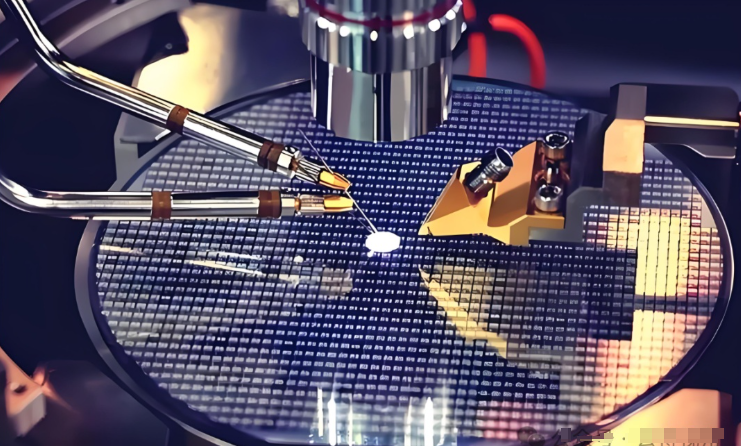
If you’re running a Class 100 (ISO 5) environment, you already know that air filters only do half the job. The real headache is the stuff you can’t see—the tiny particles that just… appear. Most heating elements are a nightmare here. They outgas or shed microscopic debris the second they get hot. If you’re packaging smart sensors, that’s a disaster waiting to happen. We dealt with this by switching to high-purity synthetic quartz infrared lamps.
Why the quartz matters
We use fused silica with almost zero impurities. Why? Because lower-grade glass has a habit of “dusting.” In a vacuum or a cleanroom, standard materials tend to leak volatile organic compounds (VOCs) or metallic ions. It’s invisible, but it’s there. We process our quartz tubes to strip away every bit of surface residue. So, when you crank up the heat, you get pure radiative energy. No flakes, no fumes, and no ruined sensor wafers.
Heat where you need it (and nowhere else)
These lamps use high-intensity shortwave IR. The beauty of this is that you can heat your target substrate fast without turning the entire chamber into an oven. You’re hitting the packaging material directly, leaving the surrounding air alone. But a word of caution: keep an eye on your ramp rates. The tubes can handle a massive thermal shock, sure. But if you run them at 100% duty cycle in a tight space, your cooling system is going to feel the strain. If your airflow isn’t up to the task, you’ll end up overheating the sensor housing.
Getting it into your line
We built these to be drop-in replacements for automated lines. No need to redesign your whole floor. We also focused on the seals. In a cleanroom, the seals are usually where things fall apart. We use ceramic-to-metal seals to make sure nothing leaks out of the internal filament housing. One last tip: pair it with a precision PID controller. You want to keep that temperature within ±1°C. If you overshoot, the packaging adhesives can start to off-gas. Once that happens, your sensor’s optical clarity is gone. And that’s a mistake you can’t undo.