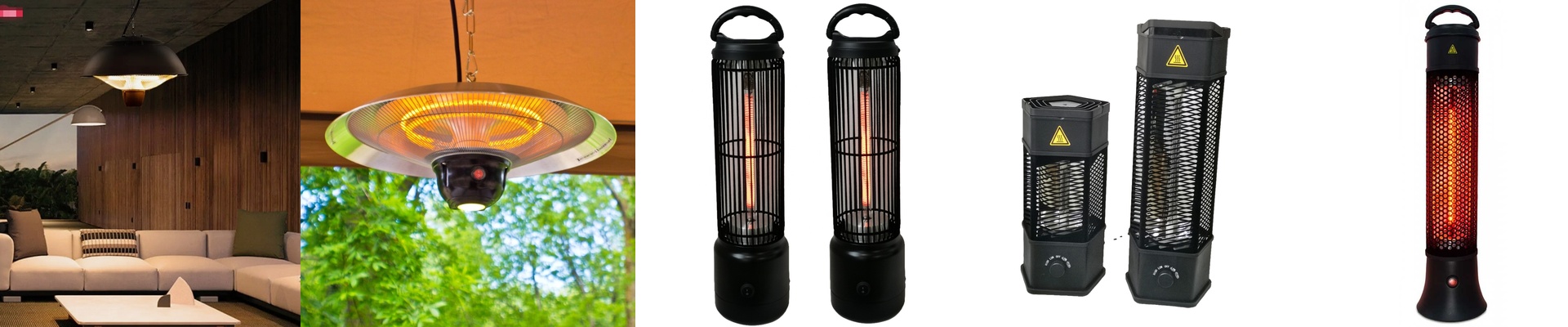

Keeping Bathrooms Warm Without Blinding Your Guests
When you’re putting a heater in a bathroom, an IP65 rating is a good start—it keeps the steam and splashes out of the wiring. But that’s actually the easy part. The real headache? The light. Standard short-wave infrared lamps are bright. Like, really bright. If you’ve ever looked at one, you know it’s a harsh glare that can actually be dangerous for the eyes, especially for kids or babies. Nobody wants a heater that feels like a heat lamp at a buffet. Fixing the glare We handle this by tweaking the light spectrum. Instead of just letting that raw, aggressive light fly out, we use specific coatings and filaments to filter it. The result is a “soft light.” You still get that deep, instant warmth on your skin, but you aren’t squinting or stressing your eyes. It’s the difference between a spotlight and a glow. The battle against moisture Now, about that IP65 housing. It’s not just a plastic box. We use tempered glass and tight gaskets because water vapor is basically poison for heating elements. One tiny leak and the whole thing oxidizes and burns out. Simple as that. But here’s the catch: if you seal a heater too tightly, it’ll cook itself from the inside. To stop that, we use aluminum heat sinks. They pull the heat away from the sensitive electronics and push it toward the front where it actually belongs—warming you up. The trade-off I’ll be honest with you: when you filter the light to make it safe for your eyes, you lose a tiny bit of raw power. You aren’t getting the same “industrial” blast as an unfiltered lamp. To make up for that and keep things feeling cozy, you might need a slightly higher wattage. Just a heads-up: if you’re installing a few of these in a small space, double-check that your electrical circuit can handle the load. You don’t want to trip a breaker right when you’re stepping out of a hot shower.