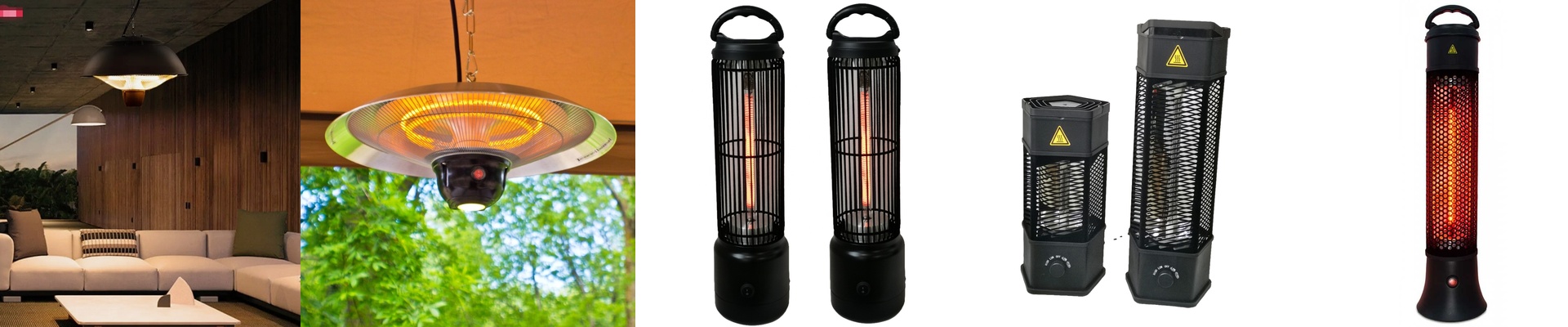
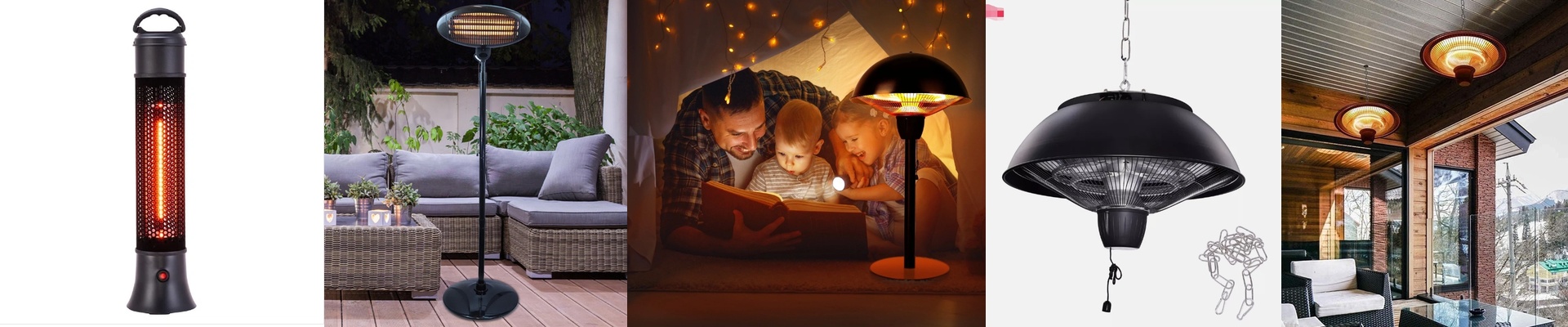
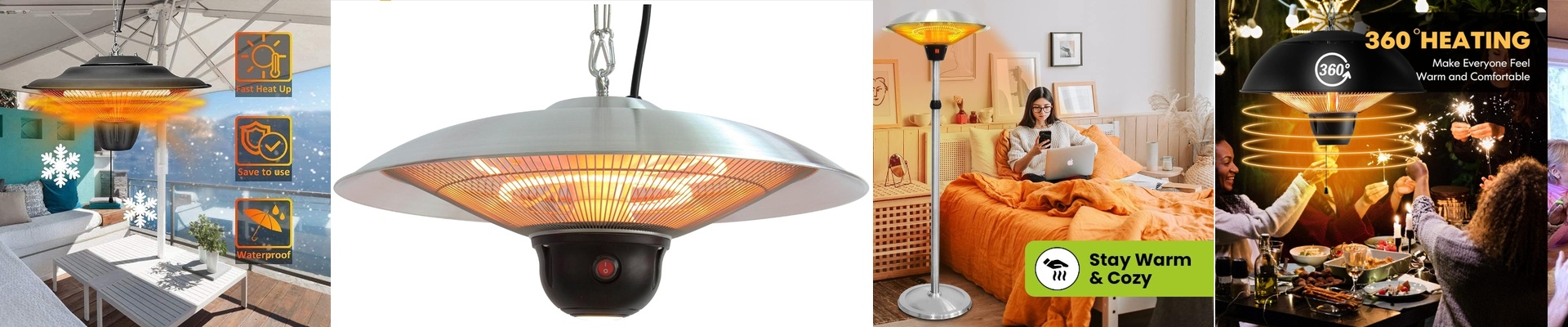
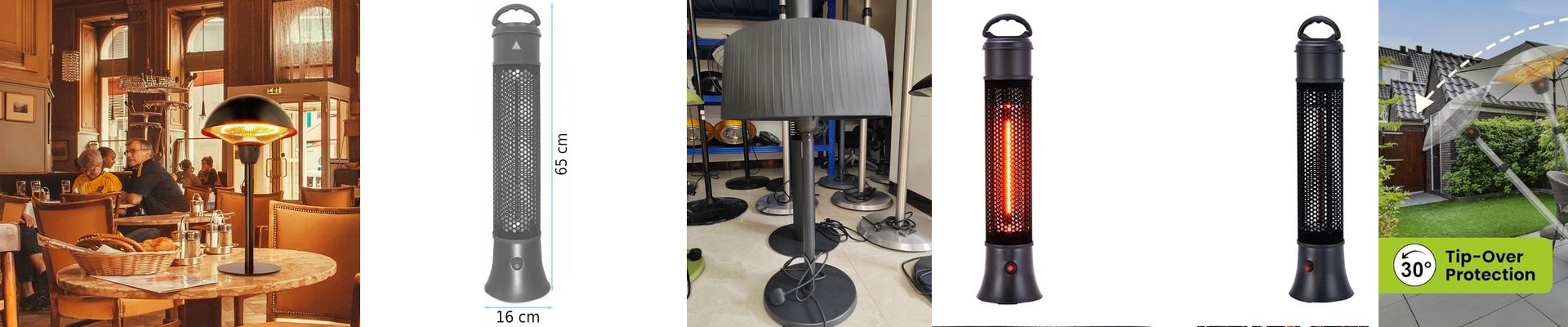
What Powers These Patio Heaters (And Why It Matters)
We built these heaters for the real world—the kind of commercial patio that stays packed, even when the air gets chilly. So we went with a 400V, 2500W halogen lamp. That wattage isn’t just a number on a spec sheet. It means heat—fast. Directional heat that hits the seating area, not the whole sky. You flip it on, and you feel the warmth where you need it, when you need it. And the 400V part? That’s a quiet win. It pulls less current than 230V, so wiring stays manageable and you don’t lose voltage over longer runs. The lamp itself is about 300mm long—compact enough to slip into standard fixtures while keeping clearance over tables and walkways.
Inside the Build: Halogen, Coating, and the Right Connection
At the core is a quartz halogen capsule. The halogen chemistry keeps the filament steady at high temps, so the light stays bright over time instead of fading early. The quartz envelope handles the shock of being switched on and off—and the weather—without cracking. Many versions add an internal reflector coating. It points the infrared energy forward, so more heat goes where you aim it and less gets wasted on the fixture. And the connector? It’s R7s—double-ended, linear pins that lock in clean alignment and stay tight even when things get seriously hot.
Why This Works on a Restaurant Patio
On a busy patio, you need heat that shows up the second service starts. These lamps come on almost instantly, and the beam is focused—so the warmth lands where guests are sitting, not just drifting into the air. The 300mm length also makes life easier: it’s a straightforward drop-in replacement when you’re upgrading existing heater housings. Now, there is one thing to keep in mind. The heat is intense, so the fixture needs proper ventilation and clearance. If the housing runs too hot, the lamp won’t last as long. Match it to a rated fixture, and you get steady, predictable warmth—even through the busiest rush.