Stop Letting Your Patio Go to Waste This Winter
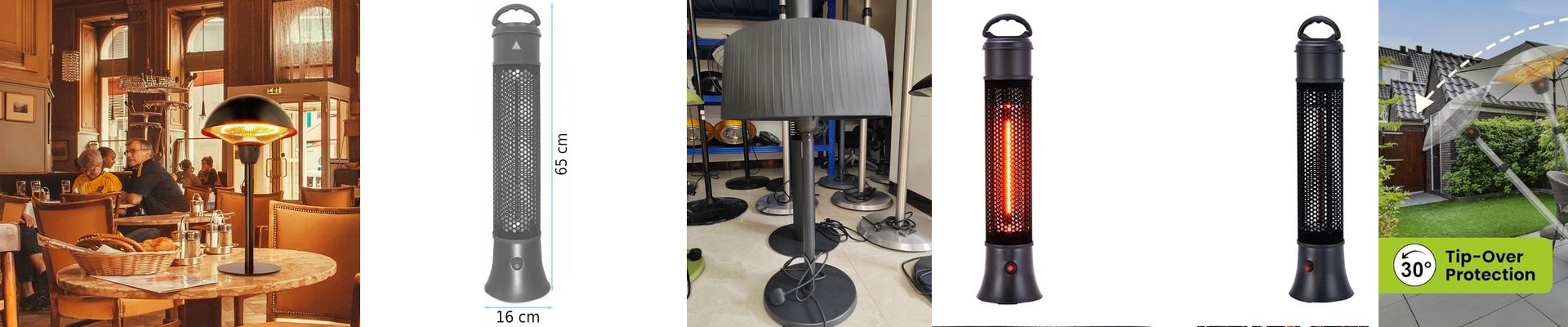
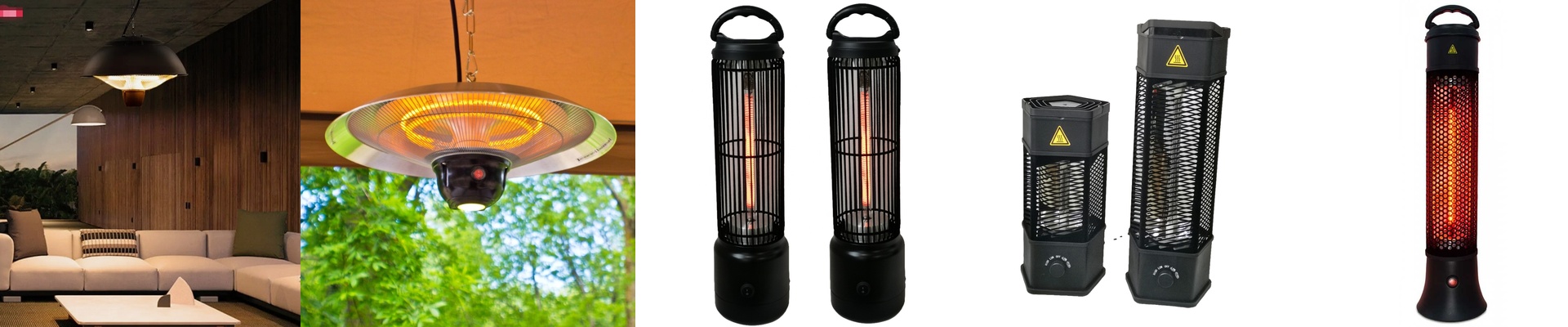
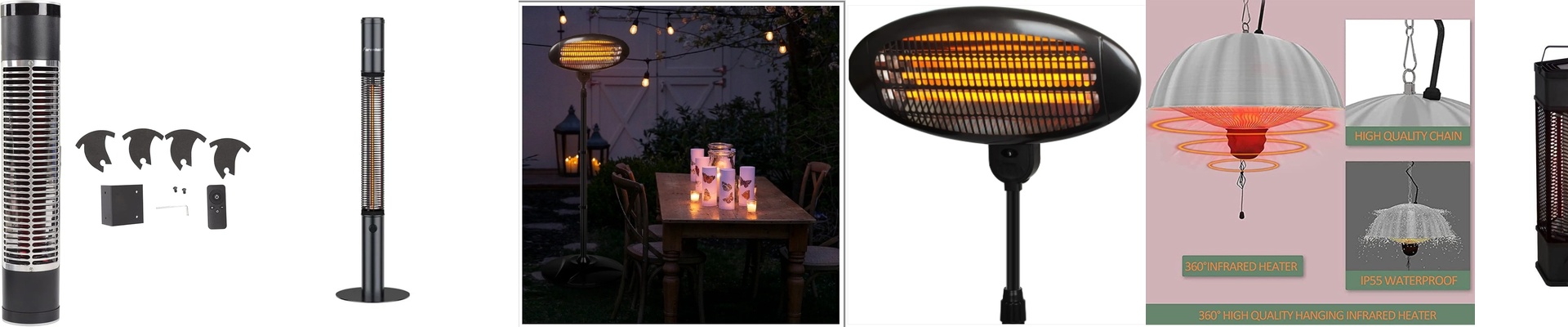
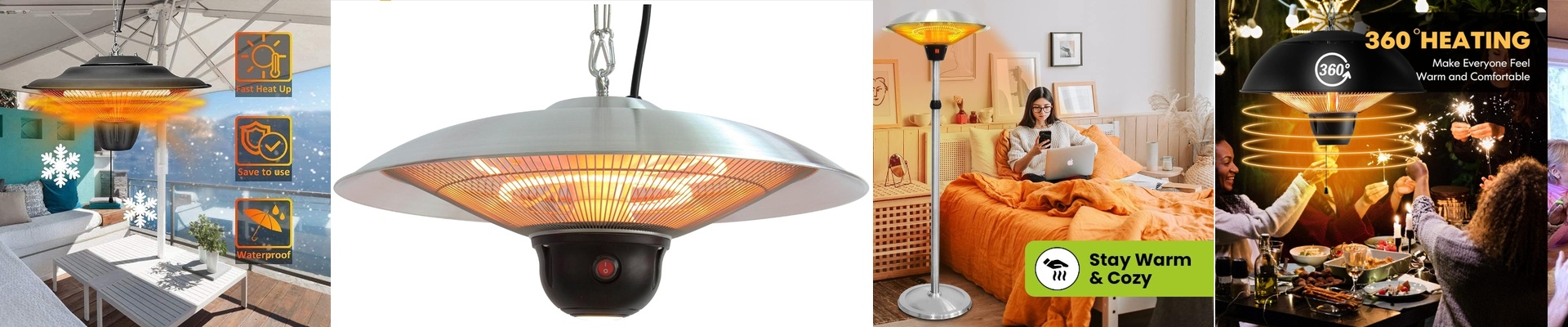
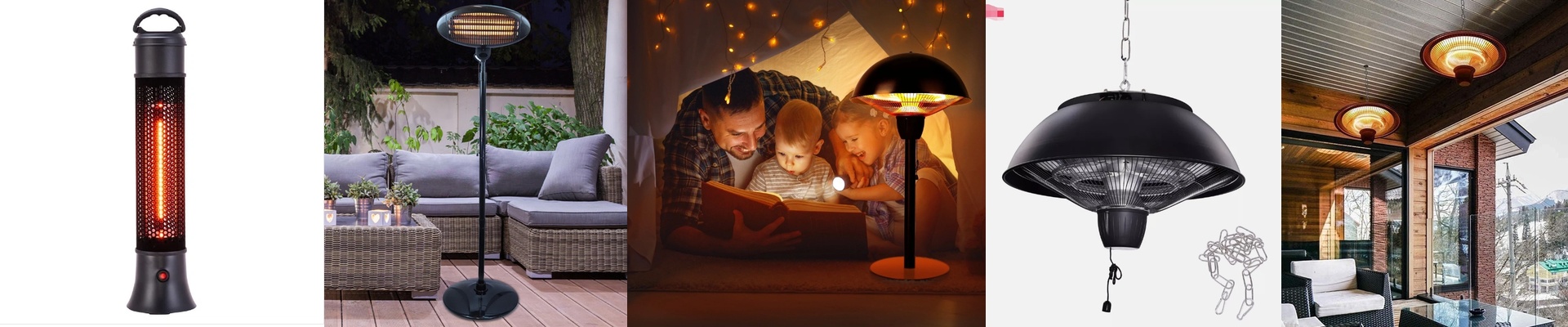
Let’s be honest: running an outdoor seating area in the winter usually feels like a losing battle. You’ve got these great tables, but they just sit there empty because nobody wants to freeze while eating a burger. The problem is that most heaters try to warm up the air. But outdoors? The wind just carries that heat away. It’s a waste of money. That’s why we do things differently. We use high-density infrared heaters. Instead of fighting the wind, these target the people and the furniture directly. It’s like stepping into a patch of sunlight on a cold day. You feel it instantly. Why this actually works for your bottom line When a guest sits down and feels that immediate warmth hitting their skin, they relax. They stop shivering, they stop checking their watch, and they stay for another drink or an appetizer. Suddenly, those “dead zones” on the edge of your patio become prime real estate. You’re not just making people comfortable; you’re actually filling seats that would’ve stayed empty all December. Getting the setup right You can’t just slap these things on a wall and hope for the best. Placement is everything. Usually, we mount them between 2.5 and 3 meters up. If they’re too high, the heat loses its punch before it reaches the guest. Too low, and you’ve got a “hot spot” that makes people want to move away. We use industrial reflectors to push that warmth straight down, right where the customers are sitting. A quick heads-up on the power Here is the part where you’ll need a pro. These units (usually 2kW or 3kW) pull a lot of juice. You can’t just plug these into a standard wall outlet and call it a day. If you do, you’ll be tripping breakers right in the middle of the Friday night rush. You’ll need a dedicated circuit and the right breakers to keep things running smoothly. Does it actually pay off? The math is pretty straightforward. If these heaters help you save just two tables a night that would’ve otherwise been empty, the gear pays for itself in a single season. You aren’t just buying some hardware. You’re basically adding more square footage to your restaurant during the slowest months of the year.