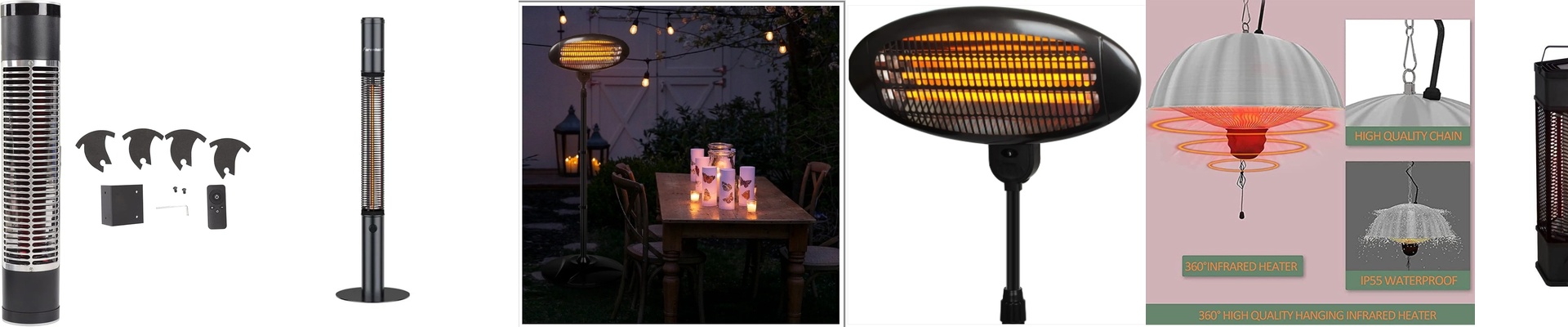

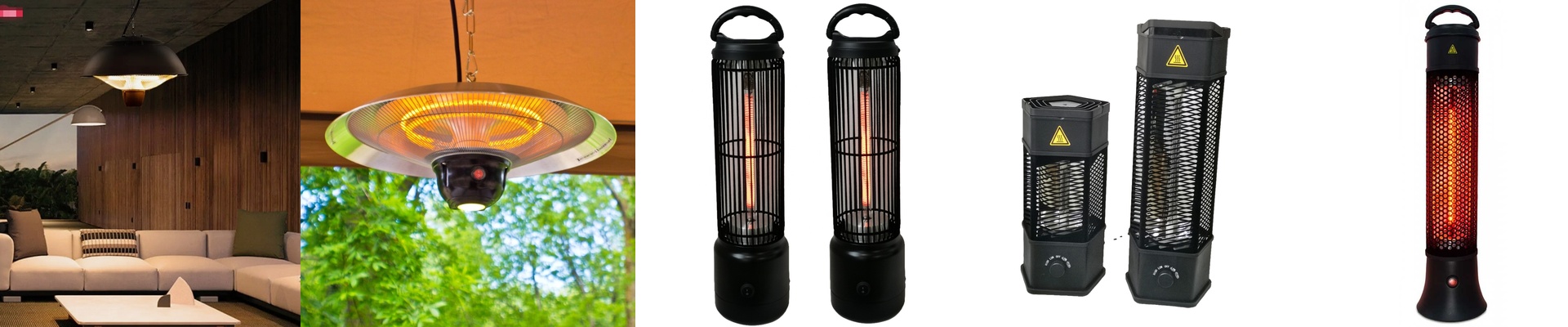


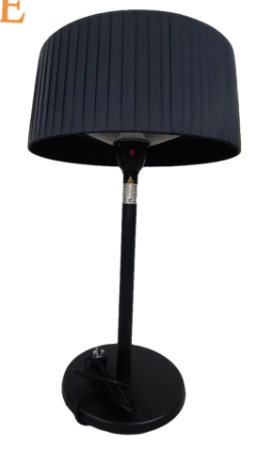
Outdoor evenings have a way of turning on you. One minute you’re enjoying the breeze, the next you’re cutting the night short because the air goes sharp. Comfort and retreat can be a few degrees apart. We built our approach around closing that gap—not just throwing heat, but managing it precisely.
What matters under the hood
A remote-control heater is only as good as the predictability it delivers. Our electric infrared heaters lean on a carbon fiber element and a reflector to send radiant warmth outward, heating people and surfaces directly instead of wasting energy on empty air. The payoff is instant—no long warm-up, just heat when you want it. Output is adjustable, so you set the level you actually want, not the one you settle for. The remote keeps you in your seat, so you don’t have to break away from the conversation to make a change. Safety and reliability are part of the design. Tip-over protection shuts the unit off if it gets knocked. Overheat protection keeps temperatures from running away. For outdoor use, an IP rating shields internal electronics from rain and splash, so the heater stays steady when the weather shifts.
Why this approach fits
This is about precision you can feel. On the patio, infrared warmth keeps you comfortable even when the breeze picks up, because the heat is aimed where you need it. In a workshop, it holds consistent conditions near the workbench without trying to heat the whole building. You end up with a better outdoor living experience—quicker response, steadier comfort. For homeowners, that means more evenings outside, fewer interruptions, and energy used only when and where it’s needed.
Practical notes that make a difference
For best results, position the heater so the warmth beam covers the seating area, and keep clearances clear. Infrared performance depends on line of sight; walls and overhangs reflect and block heat differently than open air. Most units are designed for standard household circuits, but verify voltage and plug type for your location. In very damp conditions, a grounded outlet and careful placement go a long way toward keeping the unit running trouble-free.