
How to Actually Heat an Outdoor Space (Without Fighting the Wind)
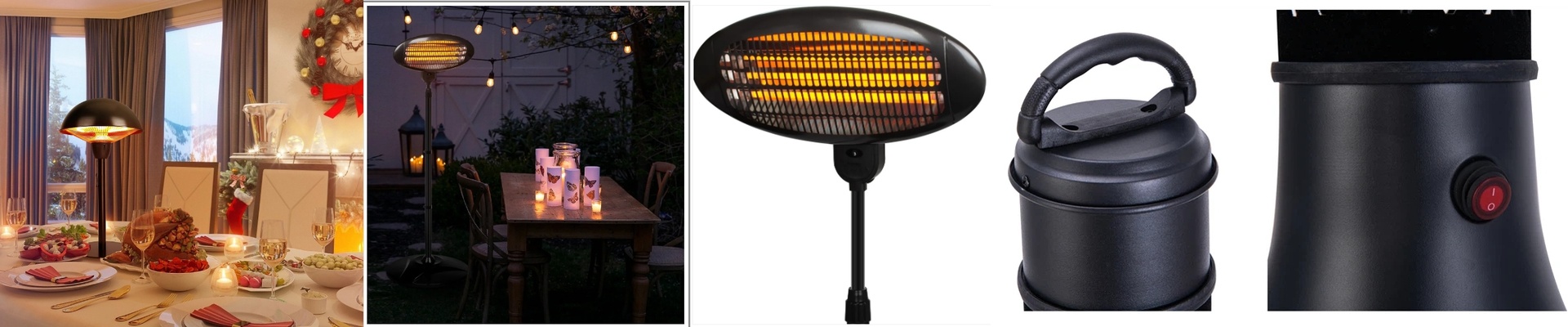
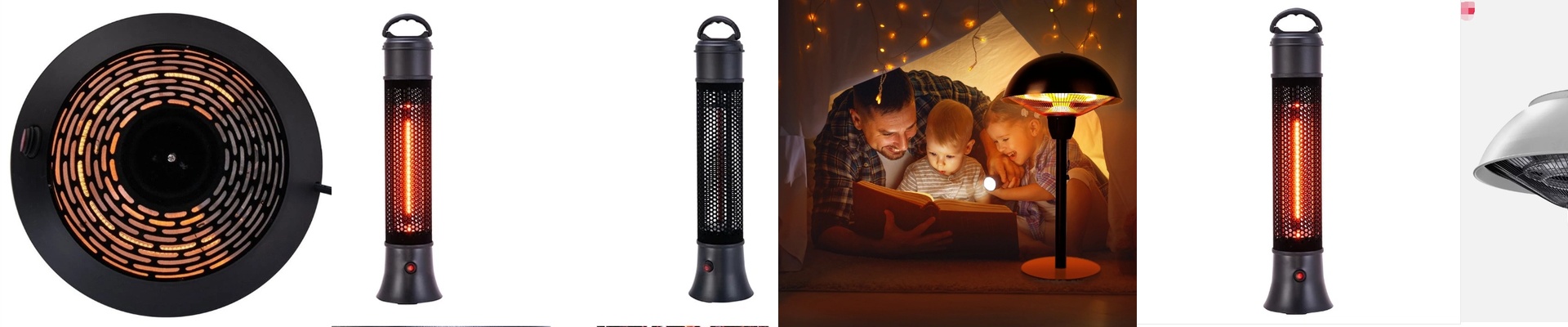
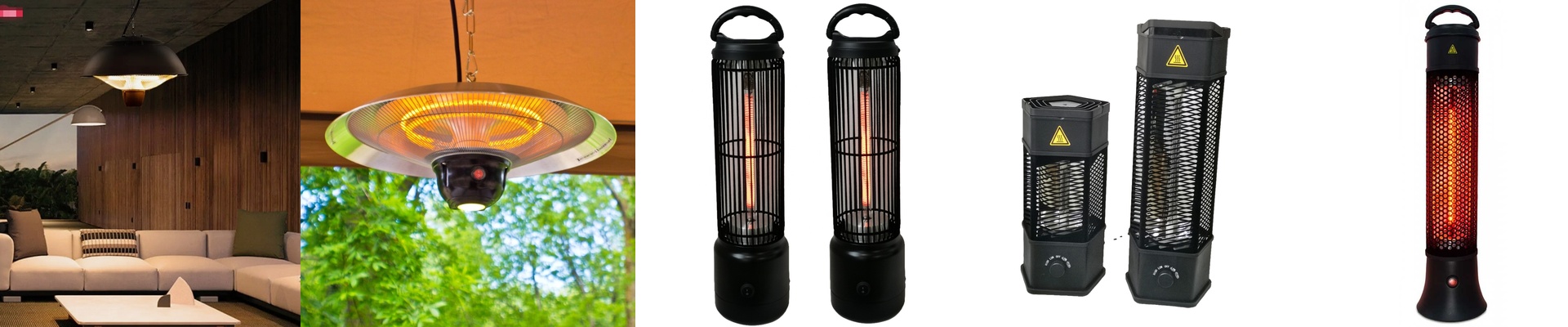
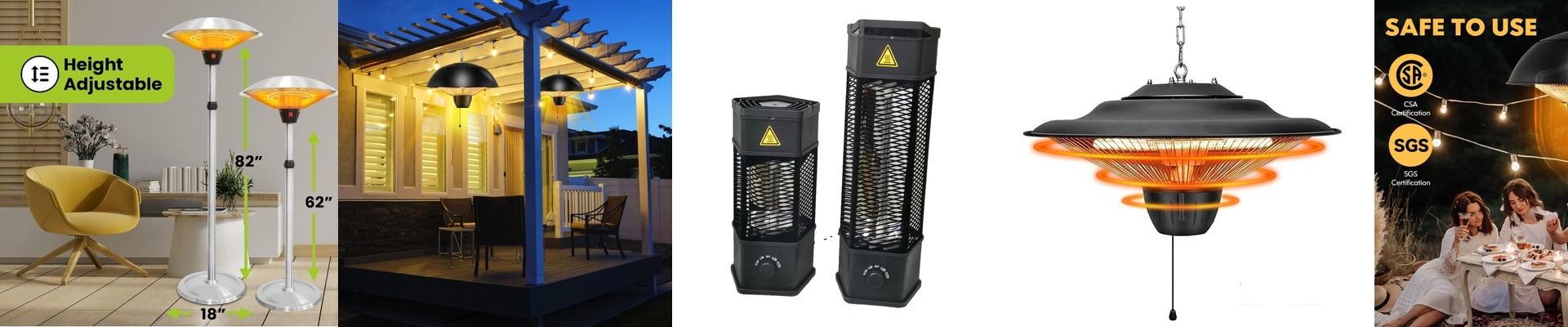
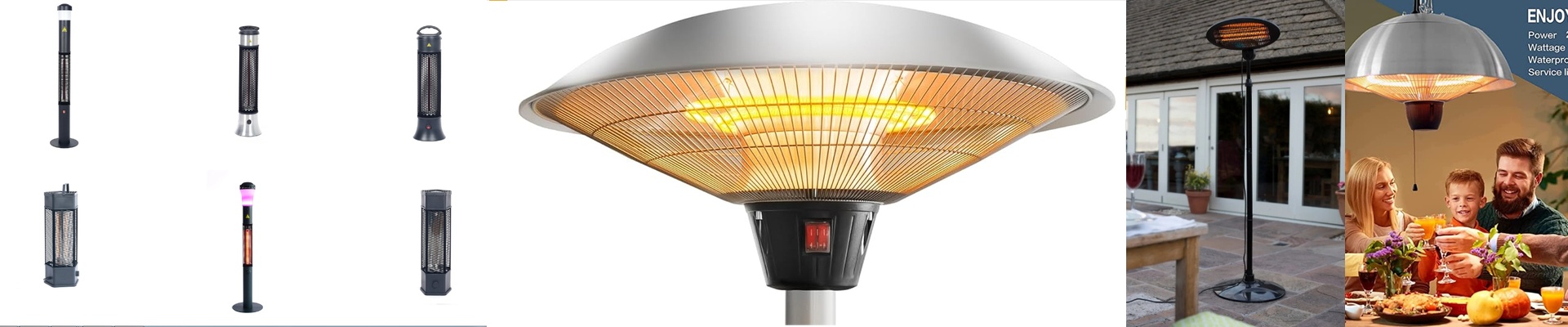
If you’ve ever tried to heat a poolside lounge or an outdoor changing area, you know the struggle. You turn on a heater, but the wind just carries the warmth away. It’s a waste of money. The trick is to stop trying to heat the air. Instead, we focus on heating the people and the surfaces they’re sitting on. We do this with short-wave infrared. Think of it like the sun. You can feel the sun’s warmth on your skin even when there’s a chilly breeze blowing. It hits you instantly. No waiting around for the “room” to warm up. The secret is in the wavelength. We tune these units to a specific range that skin and clothing just soak up. It’s fast. Really fast. You step into the zone and you’re warm. One thing to keep in mind: because this heat is so concentrated, you can’t just slap these anywhere. If you mount them too low, you’ll get those annoying hotspots that feel like you’re standing too close to a campfire. Getting the height right is everything. Fighting the elements Let’s be real—water and electricity are a nightmare pairing. Humid air and rain eat electronics for breakfast. To stop that from happening, we tuck the heating elements into IP-rated housings. We use quartz tubes and tempered glass because they don’t crack when the temperature swings from freezing to boiling in a matter of minutes. But the real MVP here is the seal. We use high-temp silicone gaskets to lock out moisture. If a seal leaks, the filament inside the lamp oxidizes and burns out. Simple as that. Getting it wired up Here is the part where you need to pay attention: these systems pull a lot of power. You can’t just plug them into a random outlet. You’ll need a dedicated circuit. Check your breaker panel first to make sure it can handle the surge when everything kicks on at once. We also use heat-resistant cabling for the internal guts so the insulation doesn’t melt under pressure. Once it’s all set, it’s a breeze. You get all the warmth of a massive gas heater, but without the headache of running fuel lines through your backyard.