


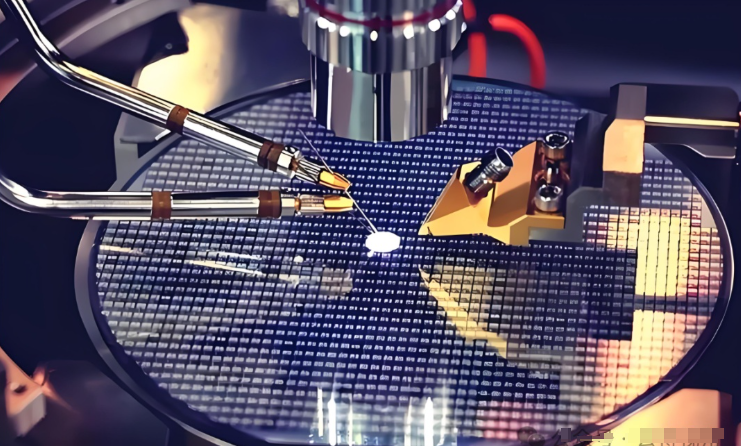
On the fab floor, drying isn’t just what you do after cleaning. It’s where leftover moisture and uneven heat quietly eat away at your lithography overlay margin and mess with the photoresist profile. When the oven can’t hold temperature across the load, you start seeing edge bead, skinning, and CDs that drift. That translates to scrap, rework, and the hidden energy hit from having to re-bake. What matters under the hood We build the drying thermal system around wafer-level uniformity and repeatability. The target is ±0.1°C across the chamber during both soft bake and hard bake. The heating source is short-wave infrared, with tight spectral control so you get rapid, penetrating response without overshoot. Cleanroom compatibility is spec’d for Class 1–100, and we verify zero particle generation with in-situ monitoring. The platform runs 24/7 with zero unplanned downtime, backed by predictive maintenance on lamp life and thermal drift. We also log energy use per batch, so you can track kWh per wafer pass and tie it directly to bake quality. Here is why that matters in practice: it protects yield and keeps the line stable. Tight thermal control preserves photoresist integrity, cuts down edge defects, and keeps CD and profile within spec. The energy data flips drying from a cost center into a controlled process variable—fewer re-bakes, shorter cycles, and lower gas and electricity use. It also stabilizes the thermal budget across wafers, which improves overlay and reduces lot-to-lot variation. Retrofitting is straightforward, but you have to match your carrier, port layout, and exhaust profile. Expect a short commissioning window to tune ramp rates and settle time for your exact recipe. One thing to keep in mind: you need controlled cooldown when switching between low-temperature cleans and higher bake profiles. Without it, thermal shock can invite micro-contamination. Plan the airflow and exhaust path early—cleanroom compliance and repeatability hinge on getting that right.