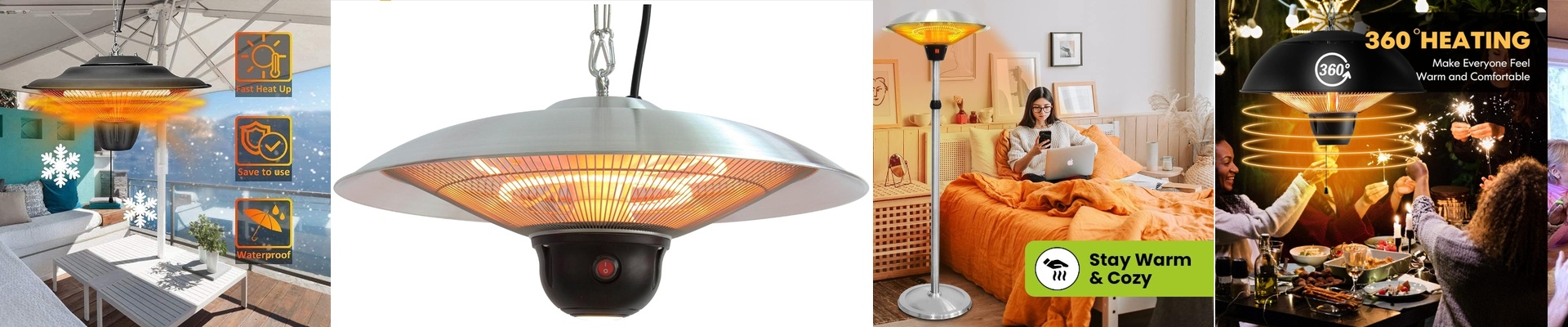
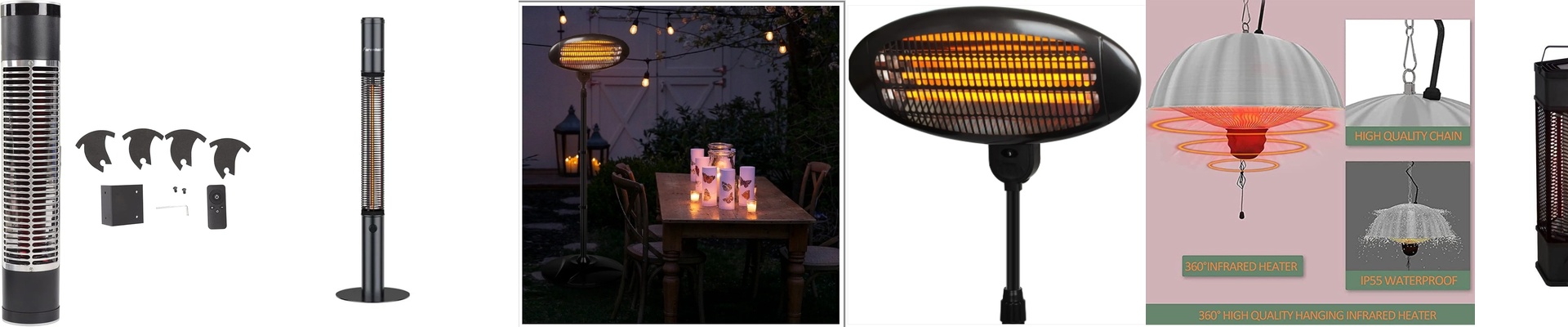
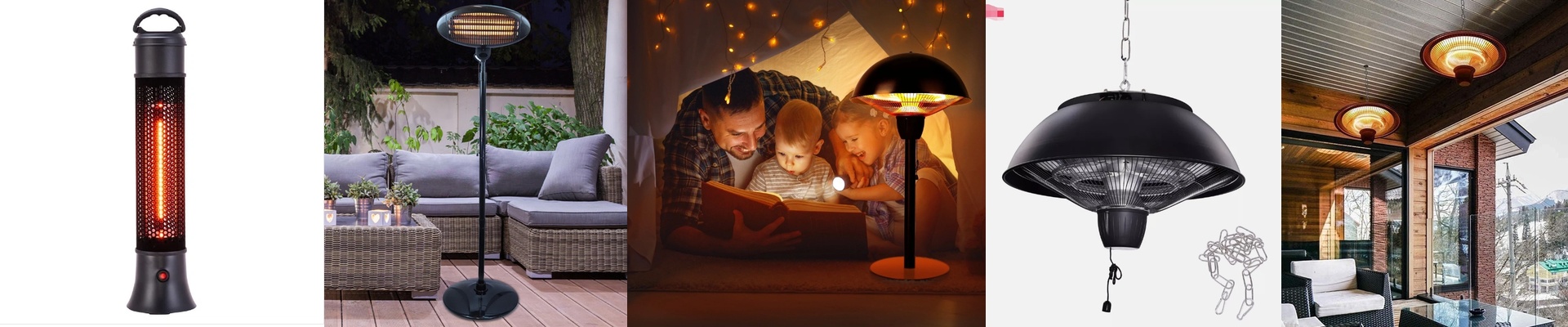
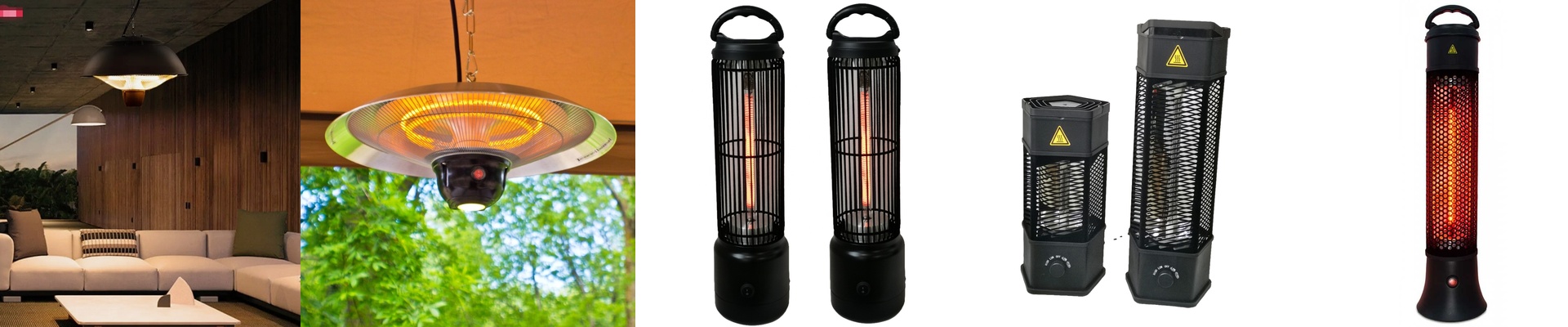

A wall-mounted electric fireplace has to deliver more than just comfort. It has to deliver day-after-day reliability, because the heating element runs hot and the whole unit sits tucked inside a finished wall. We keep running into the same question: why do some units hold up over the years while others fold early? Nine times out of ten, the answer comes down to the wiring.
What matters under the hood
An in-wall electric fireplace leans on infrared warmth, usually from a quartz or carbon fiber element. Those elements run at high surface temps, so the wiring feeding them needs to stay dry, stable, and properly insulated. In our builds, we seal the lead wires at every penetration with high-temperature, dual-wall sleeving and a fully potted junction. That gives you a path that resists moisture ingress and keeps the conductors from being hammered by repeated thermal cycling. We also design for the conditions you actually live with. The thermostat holds a steady feel in the room, and the outer trim stays cool enough to be near without discomfort. For indoor use, the IP rating is chosen for typical humidity, not full submersion—so it makes sense in living rooms, bedrooms, and covered patios.
Why this approach holds up
When the lead seal is done properly—at a production level you can trust—the unit doesn’t slowly drift into trouble. It stays consistent: no brittle insulation, no creeping resistance, and no hot spots that can lead to failure. You get heat that turns on when you want it, holds steady, and doesn’t turn into a maintenance project. That reliability is what makes the comfort feel earned. Infrared warmth delivers heat directly to people and surfaces, so the room feels cozy faster and drafts matter less. For a family, that translates into fewer interruptions, fewer service calls, and more evenings enjoying the glow instead of chasing down why it isn’t working.
What you need to get right
Because this is in-wall, installation is not the place to cut corners. The unit needs a dedicated circuit and proper clearances for airflow and heat dissipation. You also need a junction box that allows service access—planning that upfront saves headaches later. The sealed leads are built to handle heat and humidity, but the system is intended for indoor and protected outdoor settings; direct, constant exposure to heavy rain is outside its intended use. Match the unit to the right spot, follow the wiring guidance, and it will run quietly and cleanly for seasons on end.