



Getting Your MEMS Wafers Dry Without the Drama
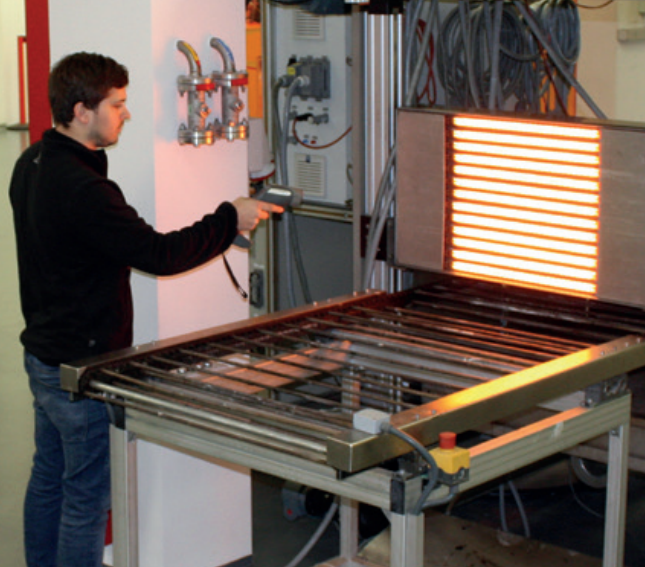
Drying MEMS sensor wafers is a bit of a tightrope walk. You need the water to vanish fast, but if you’re too aggressive, you’ll end up with mechanical stress and ruined parts. We’ve found a way to handle this using infrared heaters paired with gold-coated reflectors. The goal is simple: make sure the heat actually hits the wafer instead of just warming up the inside of your machine.
Why gold?
Most people use aluminum reflectors, but they leak a ton of infrared energy. It’s just wasted heat. We switched to a high-purity gold coating because it’s incredible at bouncing near-infrared light. Think of it less as “adding more heat” and more asaimingit. We’re taking those photons that would usually scatter into the void and pointing them straight at the wafer. The best part? You get a much more intense heat flux without having to pull more power from your electrical panel. It’s just more efficient.
Getting the heat just right
In the MEMS world, consistency is everything. If the left side of your wafer dries faster than the right, you’re looking at warping or weird residue patterns. That’s a nightmare. We spent a lot of time tweaking the geometry of the reflectors to kill off those annoying hot spots. The gold layer helps keep the heat spread evenly across the whole surface. It just feels smoother.
The “Catch” (and how to fix it)
Here’s the thing: when you push that much energy into the workpiece, the heater housing is going to get hot. Really hot. You can’t just ignore this. You’ll need to double-check your cooling fans or water jackets to make sure they can handle the ambient heat. If you skimp on the airflow, your electrodes will overheat and your heater’s lifespan will tank. Also, make sure you’re using a precision PID controller. Because the gold-coated setup reacts so quickly to power changes, you’ll need to tighten your tuning parameters. If you don’t, you’ll overshoot your target temperature. Once you’ve got that dialed in, you can slash your drying cycle times while keeping the wafer safe. It’s a win-win.