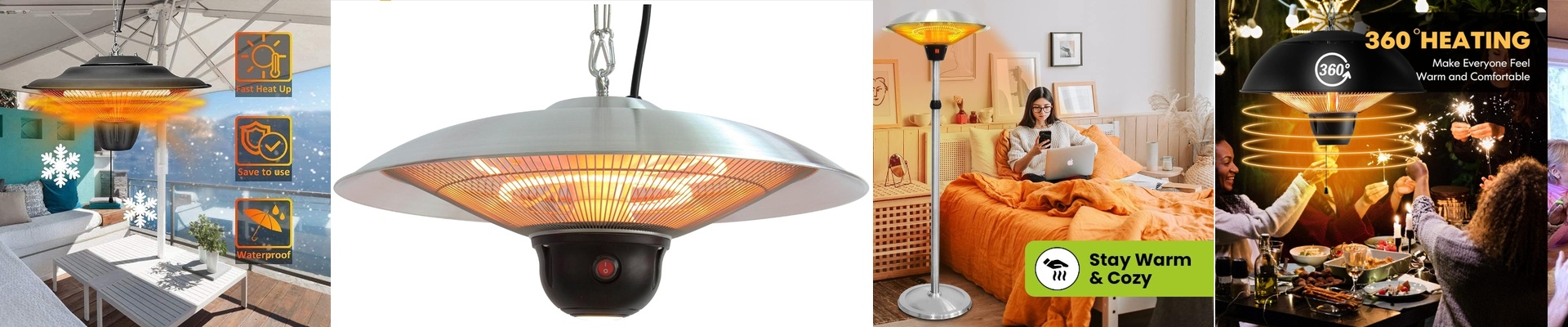
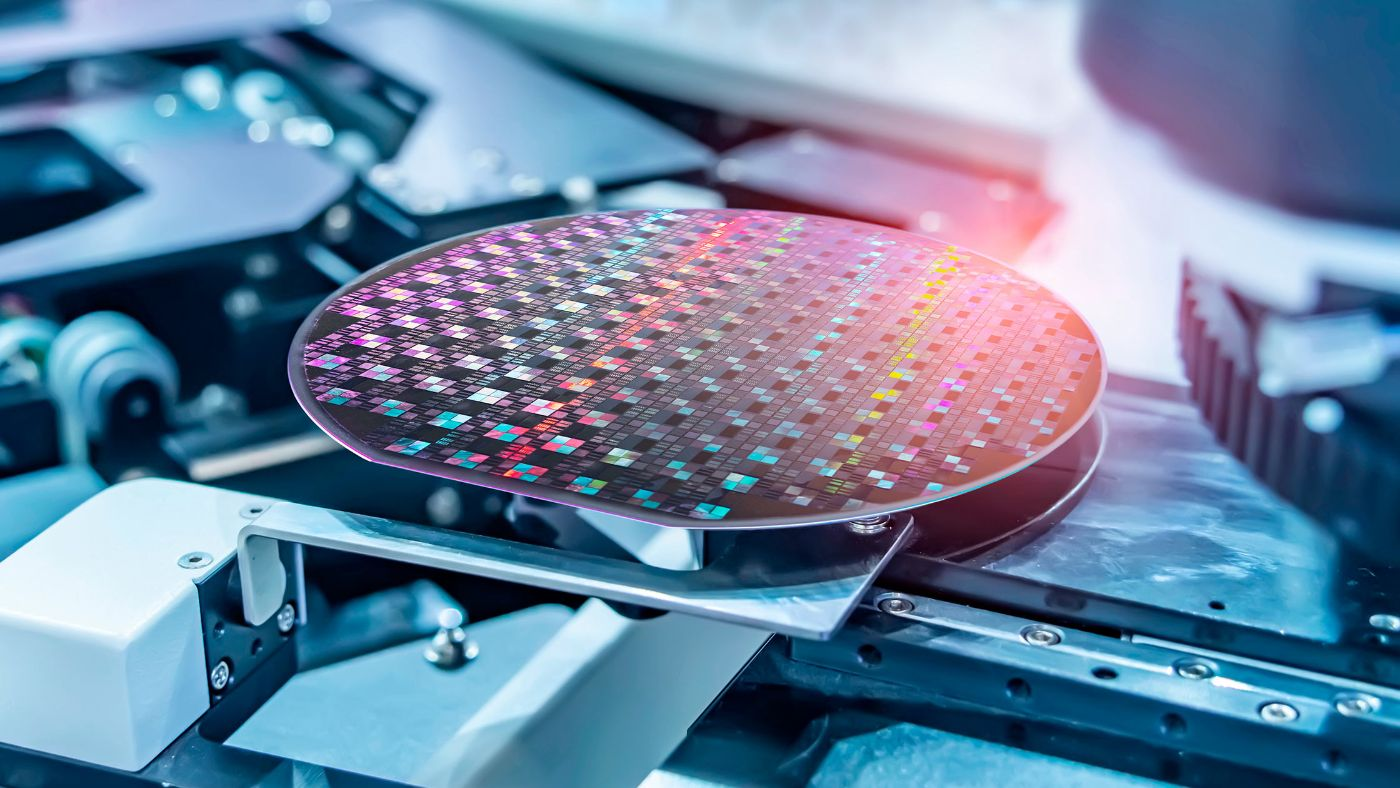
On the line, fan-out redistribution is all about thermal control. One hotspot while the epoxy mold compound cures, one drift during the photoresist bake, and you’re suddenly fighting line-width control and bump coplanarity. The heater has to deliver repeatable temperature—across every die, every lot, every shift. What actually matters We built the fan-out WLP heater around short-wave infrared halogen quartz emitters. It’s surface-driven heating that’s fast, so you keep the thermal budget tight. Across the active zone, you get ±0.1°C uniformity, measured on bare silicon with mapped thermocouples. Response is in seconds, which matters when you’re running tight closed-loop control on soft bake and hard bake. Cleanroom Class 1–100 is supported by a low-outgassing design and zero particle generation under steady operation. In the field, it runs 24/7, with thousands of hours between maintenance intervals. Why it holds up in production In redistribution, you bake photoresist, cure underfill, then reflow bumps—each step is a yield gate. The heater stabilizes the thermal profile so critical dimension stays in spec and underfill voids stay minimal. Tight uniformity cuts down on edge-of-wafer rejects, and repeatability makes lot-to-lot transfers straightforward. Energy use drops because the quartz emitters heat the target area directly, not the whole chamber. The result: more good die per wafer, fewer reworks, and uptime you can plan around. Things to get right up front The heater drops into existing coater/bake tracks and mold presses, but the mounting footprint and aperture have to match the tool. You’ll need a dedicated power feed and Class-compliant shielding for EMI-sensitive areas. When setpoints climb above 250°C, pay attention to the quartz and ceramic interfaces—we provide the thermal derating curve. Plan the integration early, and the process window opens fast.