
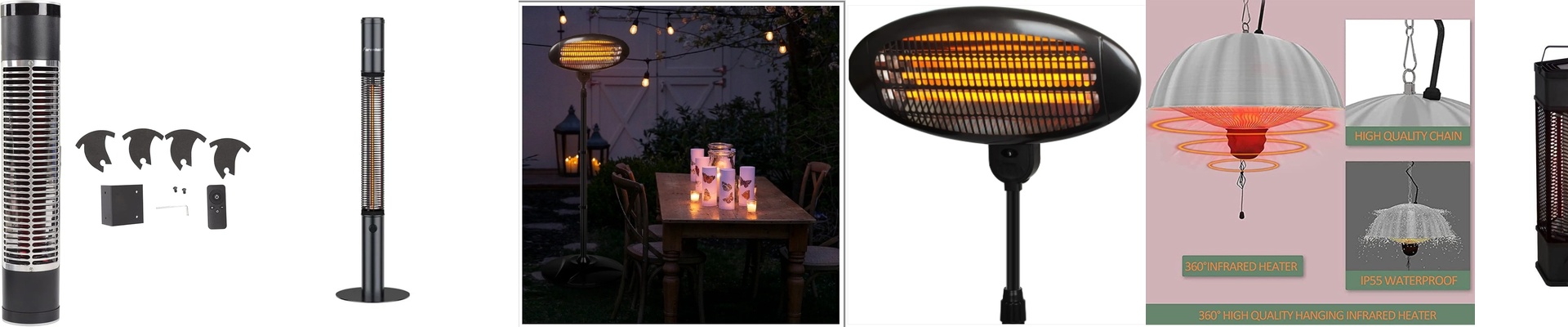
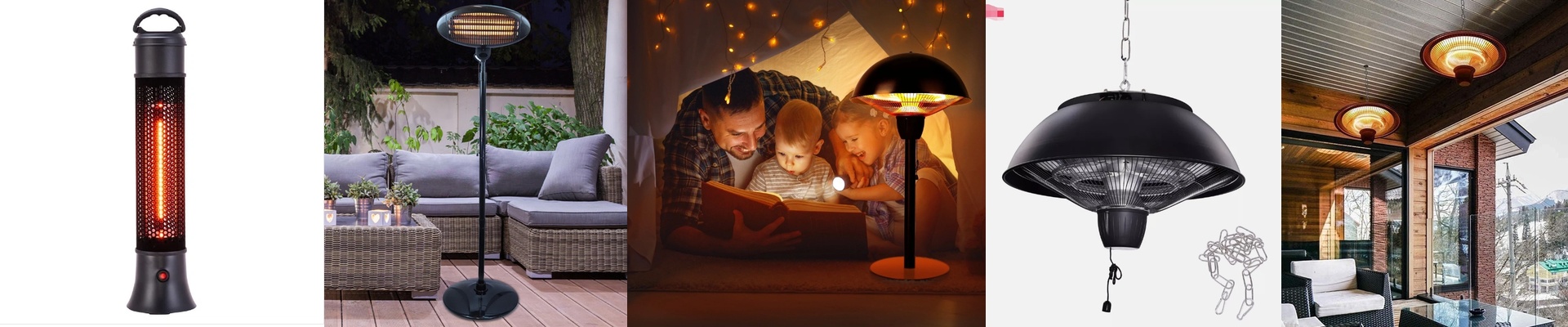
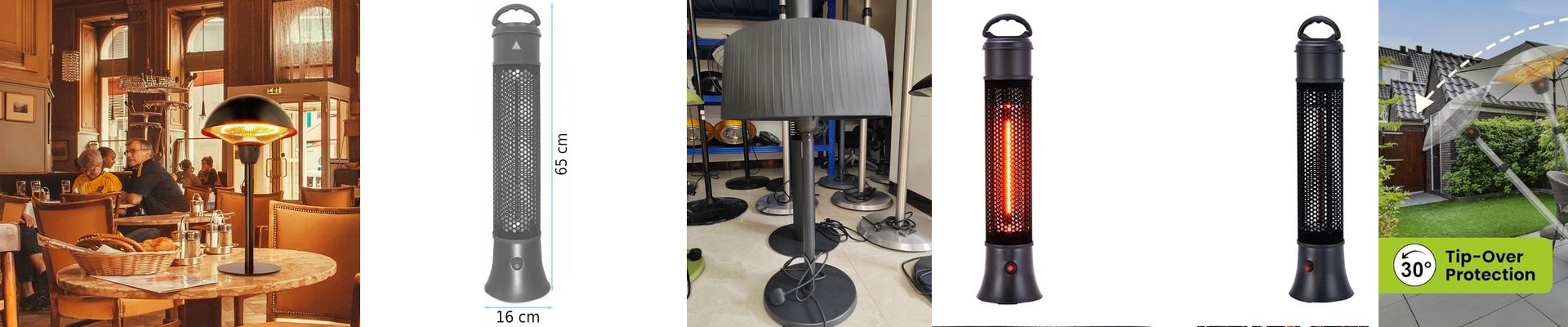
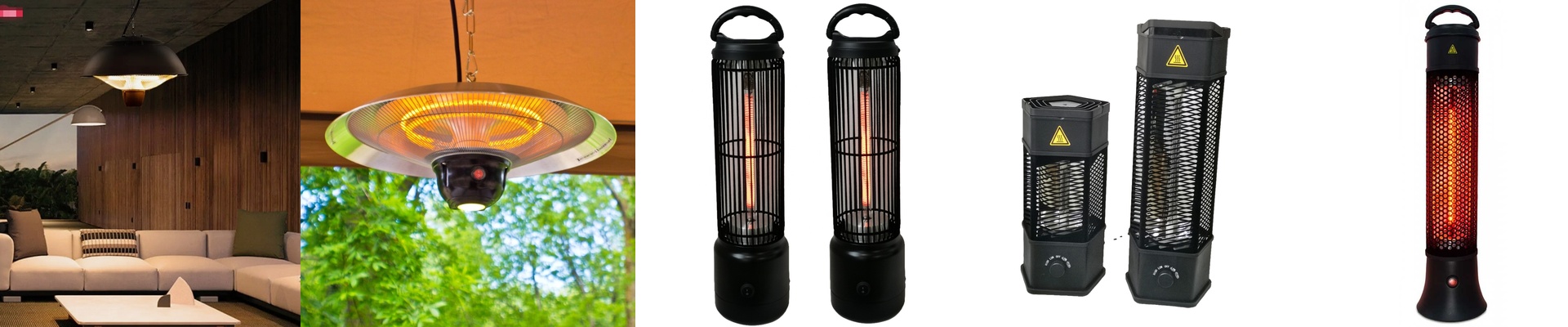
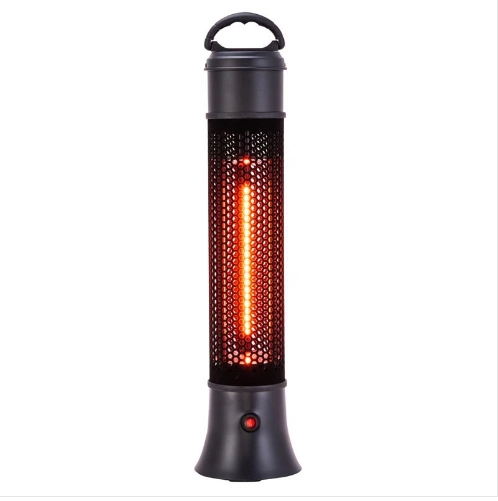
Commercial property owners are under real pressure to cut total energy use without making people miserable. When winter hits, those traditional warm-air systems spike demand, and that shows up in operating costs—and in ESG reporting. High-efficiency infrared space heaters give you a direct way to heat people and specific zones, instead of trying to warm the whole building envelope.
What matters, technically
Infrared warmth is radiant heat, delivered by carbon fiber elements or quartz tubes that come on fast and send heat where you point it. In a lot of commercial models, you get near-instant heat-up—often within seconds—paired with tight coverage so energy use stays tied to who’s actually in the space. The safety piece you can’t skimp on is overheat protection, built into the heater core and managed by an internal thermostat. If internal temps climb beyond a safe set-point, the unit cuts output or cuts power, then resets automatically when things cool back down. That isn’t just comfort insurance; it protects materials, wiring, and the area around the heater. Many units also include tip-over protection and carry IP ratings for dust and moisture resistance, so you can put them where people actually gather without sweating the environment.
Why this works in practice
In lobbies, conference rooms, and transitional areas, people want warmth without waiting, and building teams want fewer demand peaks. Infrared heaters warm objects and people directly, so you can run a lower ambient air temperature and still feel comfortable. That shift tends to cut total kWh use, which supports sustainability goals and can help with ESG scores. And because heat is delivered on demand, you avoid wasted runtime and the wear that comes from constantly cycling large HVAC equipment. Over time, that means fewer service calls, longer equipment life, and budgets that don’t swing as hard.
The things you really need to know
Infrared heaters perform best when they’re matched to the space. Keep the area clear for airflow, and maintain clearance from combustible materials per local requirements. Installation on electric models is straightforward, but it still needs a dedicated circuit and proper mounting to handle the unit’s weight and heat. In very damp locations, spec a model with an appropriate IP rating and inspect connections regularly. Plan the layout so coverage stays even, and pair controls with occupancy patterns—that’s where the cleanest energy savings come from.