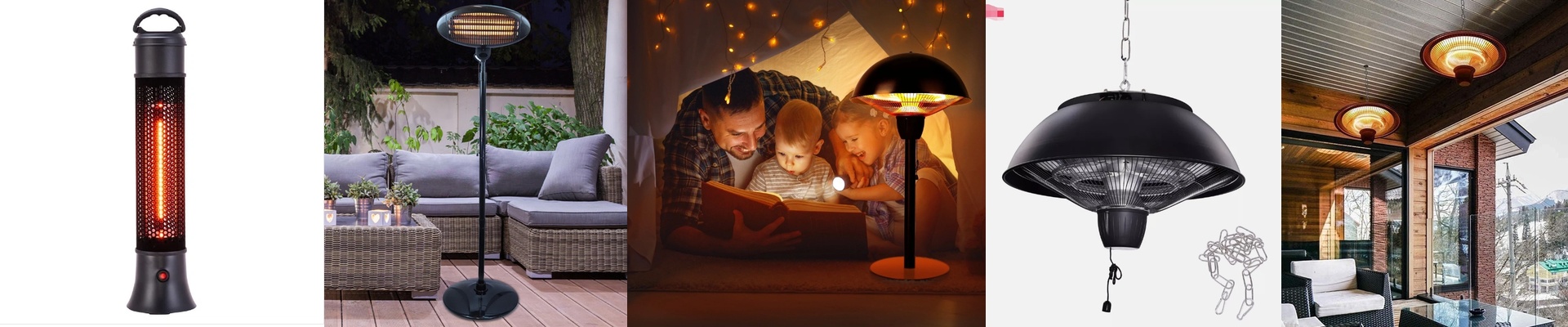
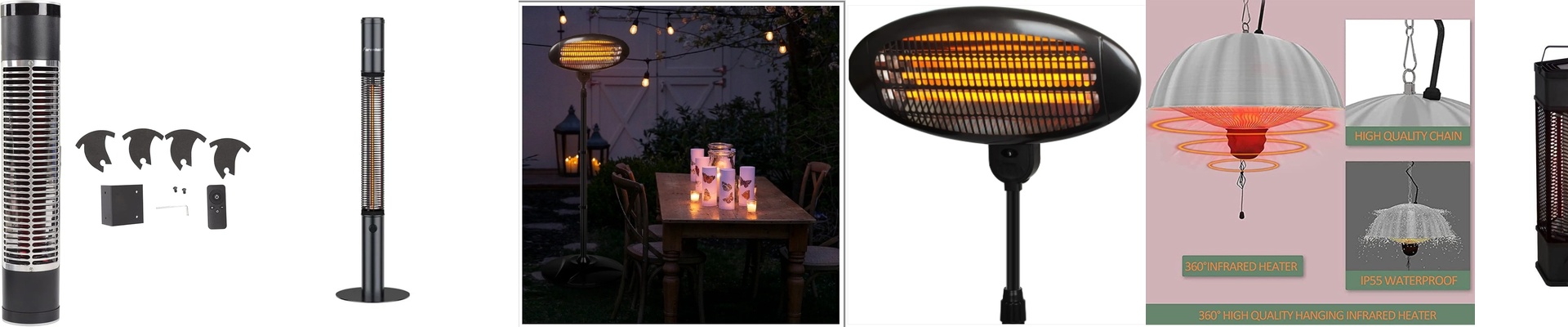
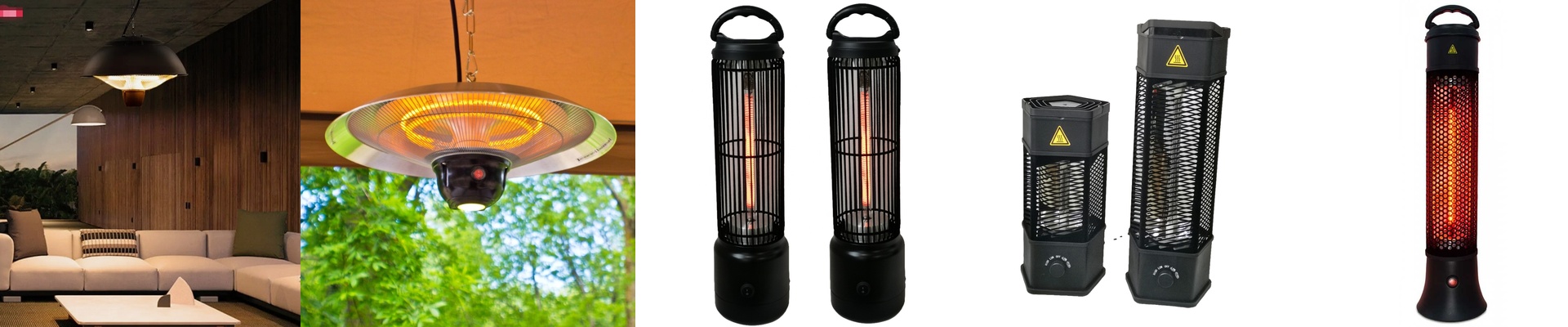
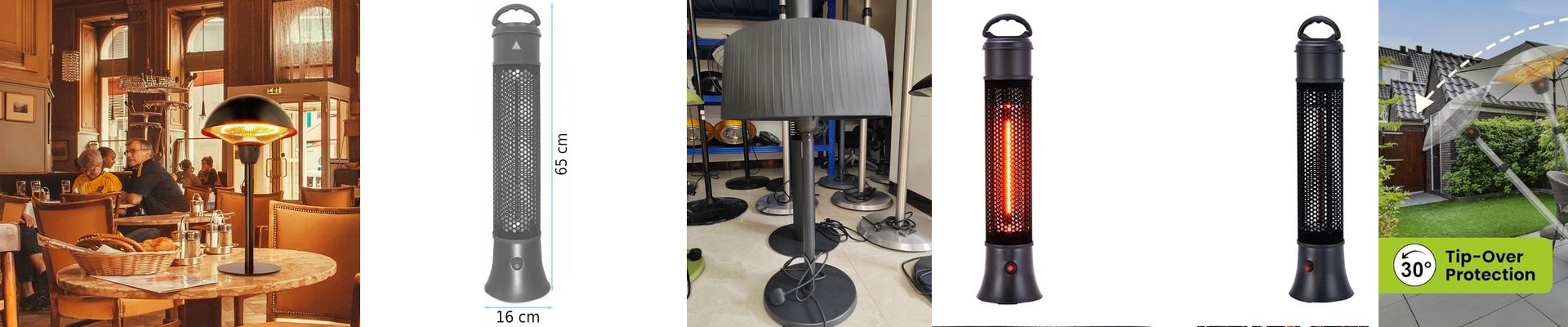
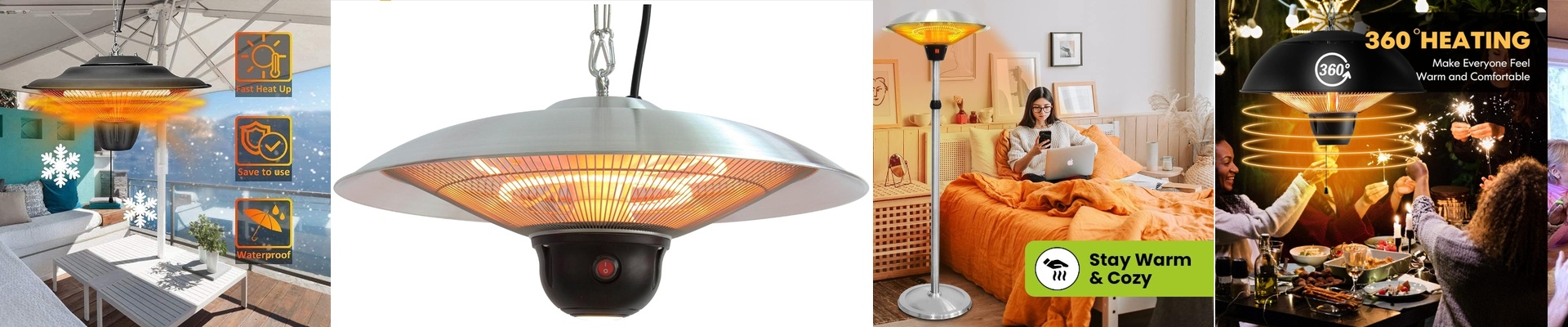
When the evening chill starts to settle in, you want heat that shows up now, not ten minutes from now. That’s the whole point of a halogen heater: instant radiant warmth that turns a cold patio, a drafty workshop, or a chilly corner of the living room into a place you actually want to sit. And comfort like that isn’t by accident. We put these units through real lab work—rigorous testing and spectral analysis—so the infrared output feels steady, natural, and consistent.
What’s actually going on under the hood
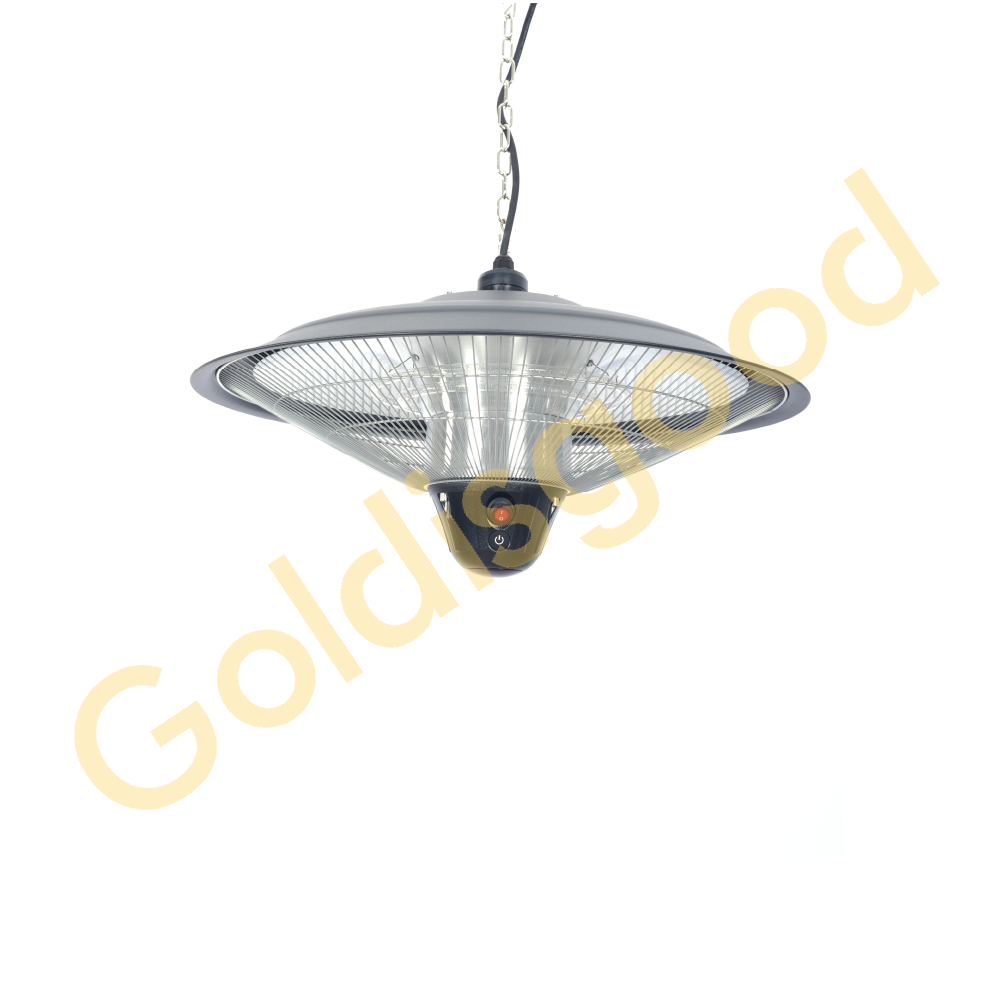
A halogen heater is built around a quartz tube with a high-purity halogen filament inside, tuned to deliver a focused band of infrared warmth. The heat hits within seconds, with no fan noise and hardly any air movement. You’ll see models that run on 120V or 240V, with output matched to the space—1,500W for a compact room, 3,000W for bigger covered outdoor areas. The design leans hard on radiant heat, so the warmth lands where you aim it, not just swirling around in the air.
Why this works so well outdoors
Outdoor and semi-outdoor spots have one stubborn truth: trying to warm the air is a losing battle against wind and open space. Halogen infrared warmth goes straight to people and surfaces, warming bodies and furniture on contact. You feel comfortable faster, and you keep using the space longer—even when the temperature drops. Because the heat is directional, you can zero in on seating areas without wasting energy on empty corners, which keeps energy use predictable.
The practical details that matter
Place halogen heaters about 3 to 6 feet from people, and angle them so you don’t get direct glare in the eyes. They perform best in covered, sheltered areas—heavy rain or direct water exposure can damage electrical components. Always check the IP rating, and follow clearance rules around fabrics and combustibles. For steady comfort, pick a model with a thermostat and built-in tip-over protection, and plug it into a grounded outlet on a dedicated circuit.