Stop Scrubbing Your Bathroom Grout
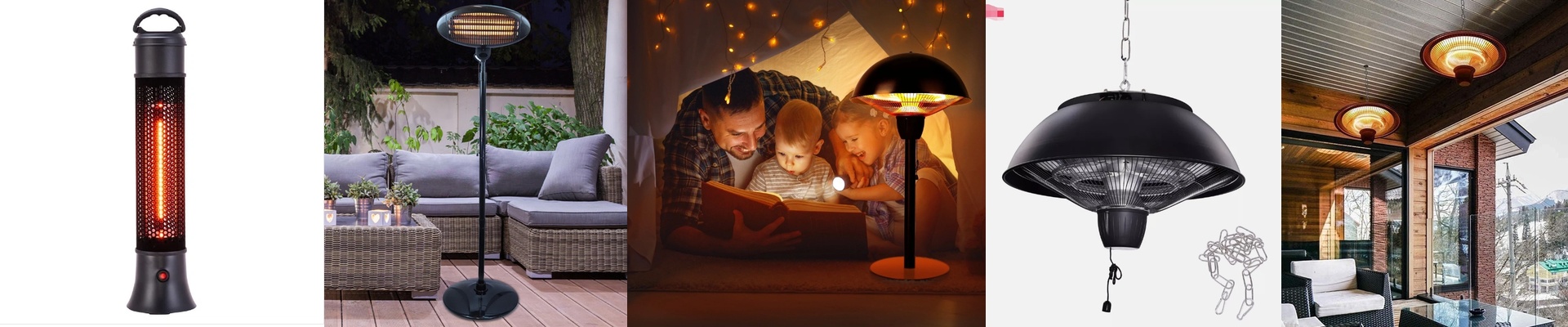
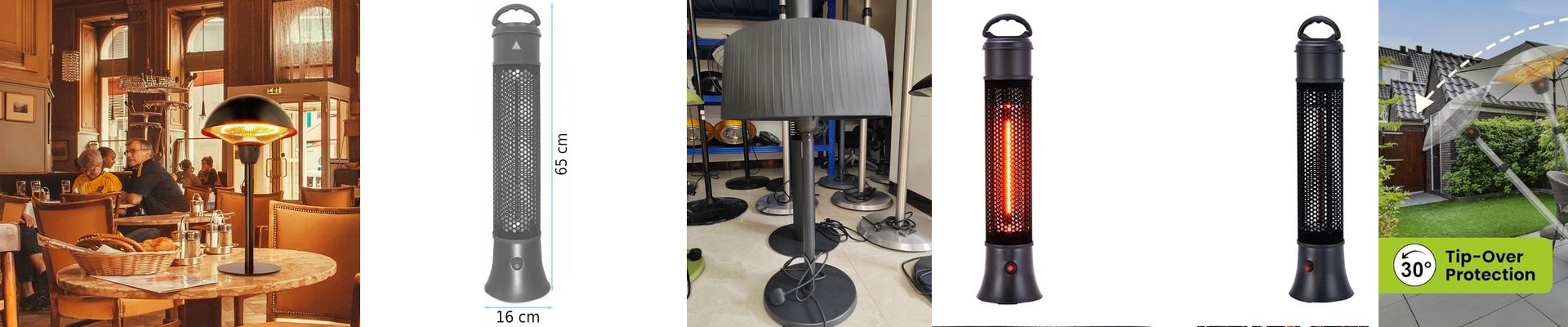
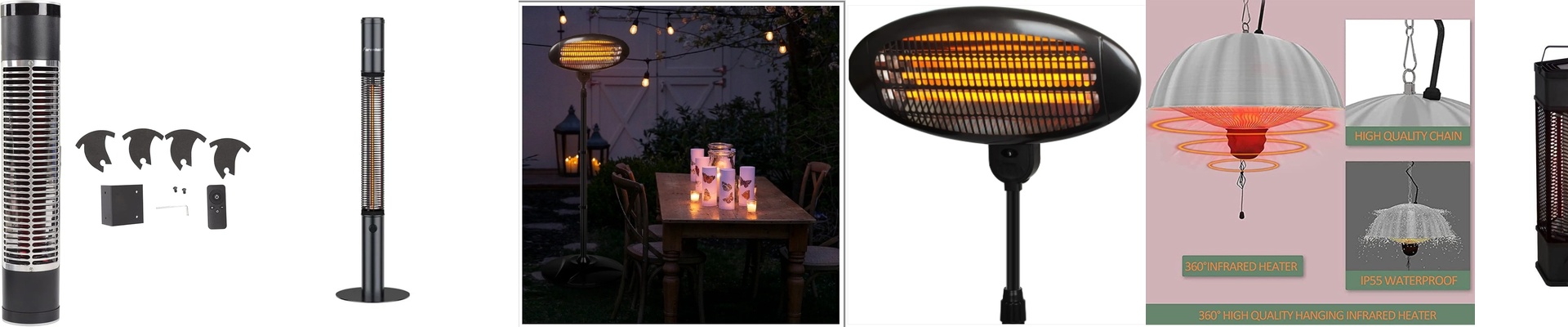
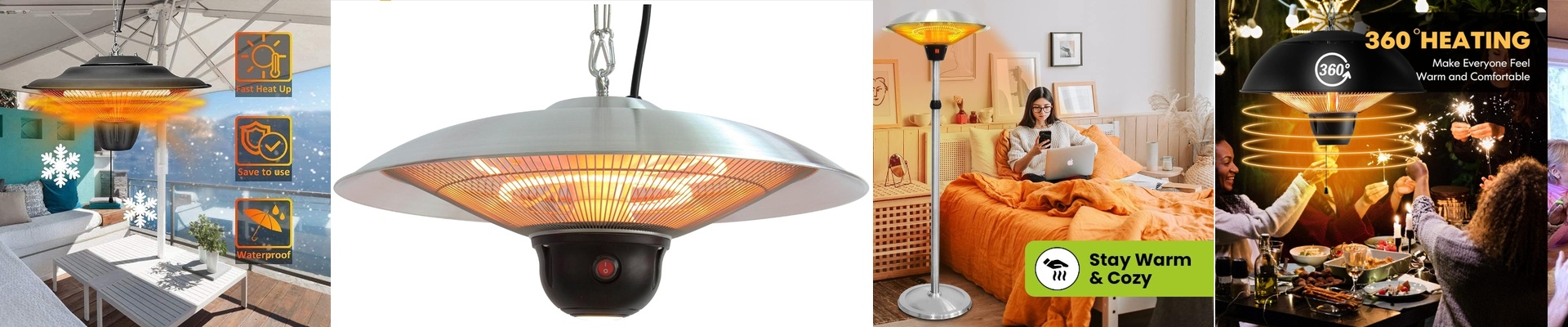
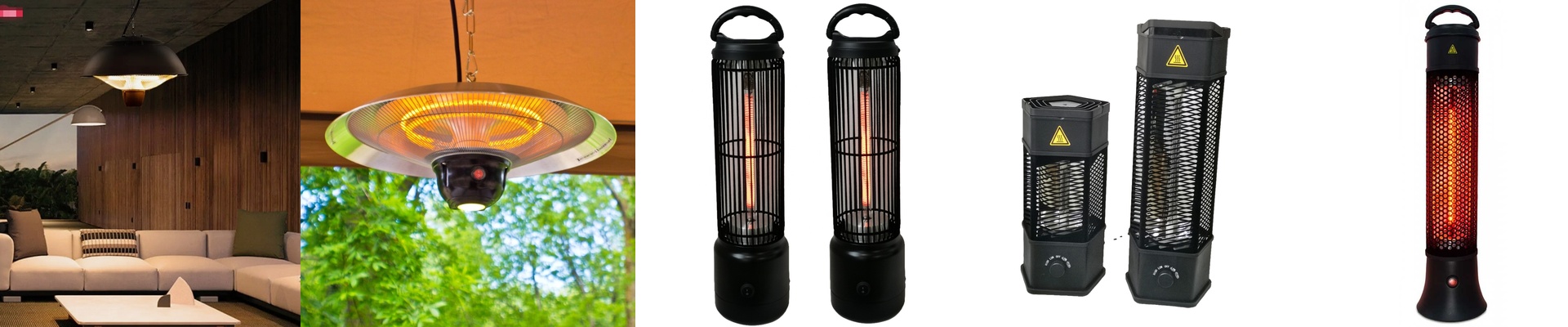
Most people think those infrared heating lamps in the bathroom are just there to keep you from shivering when you step out of the shower. But we actually built them to do something a bit more useful. We’re using the infrared spectrum to fight a war against mold in those annoying, damp corners.
How it actually works
Standard heaters just warm up the air. The problem is, air is pretty bad at moving moisture around. Our lamps are different. They send out short-wave radiation that ignores the air and goes straight for your walls and floors. Think of it this way: when the actual surface of the tile gets warm, the water on it evaporates way faster. Mold needs a damp, cool spot to move in and start growing. By keeping the surfaces dry and warm, you’re basically taking away the mold’s invitation to stay.
Creating a “dry zone”
We’ve tuned these lamps to create what I call a dry zone. The heat hits your tiles and grout directly, pushing the moisture out of those porous gaps. It’s like having a dehumidifier that doesn’t need a loud fan or a bulky tank. One thing to keep in mind, though—placement is everything. Since this energy is so focused, you don’t want them too low, or you’ll end up with a “hot spot” while the far corner of the room stays soggy.
Built for a healthier home
We use specific quartz envelopes to make sure the light is hitting the right wavelength for drying. This isn’t about making the room feel “cozy” (though that’s a nice bonus). It’s about getting rid of the dampness that fungi love. My best advice? Hook these up to a timer or a humidity sensor. Let them run for about 15 minutes after you’re done showering. By the time you’ve finished your coffee, the surface moisture is gone before it ever has a chance to soak into the grout. It’s a simple mechanical fix for a gross biological problem.