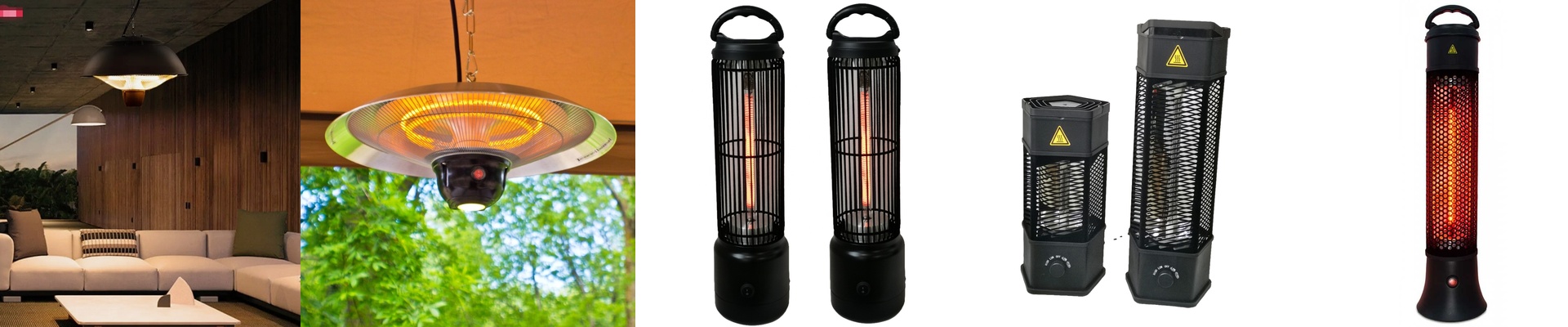
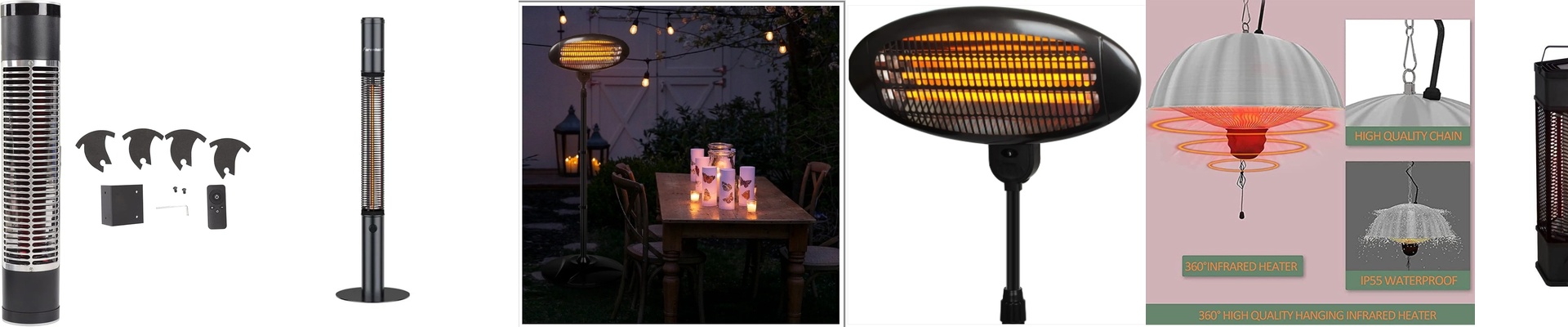
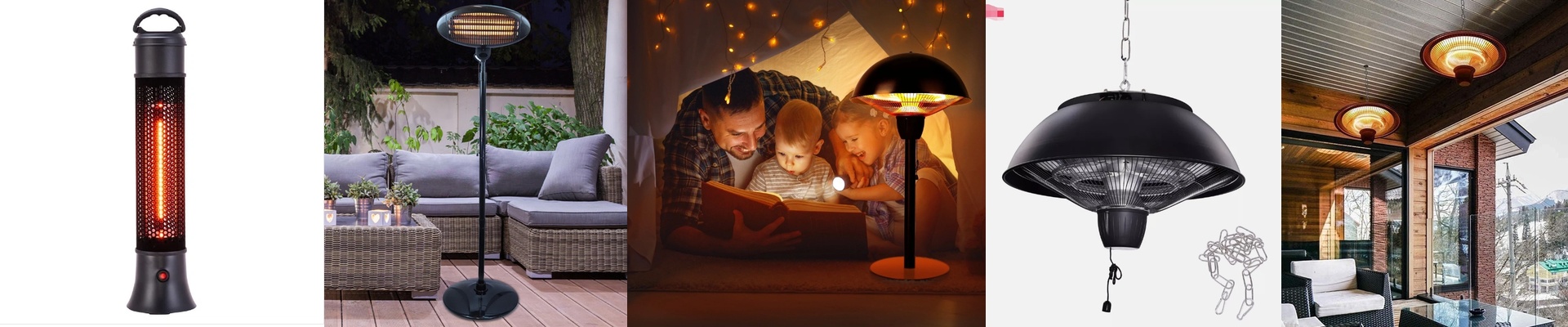
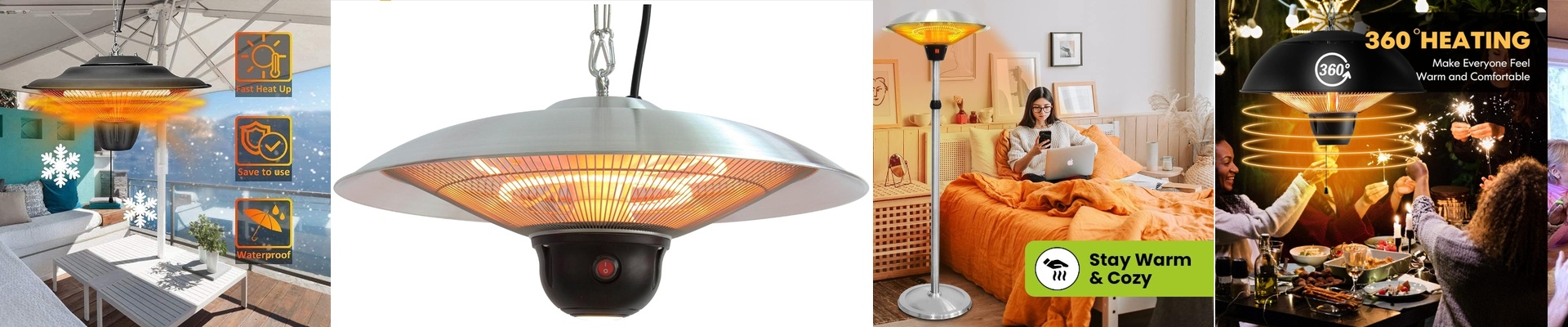
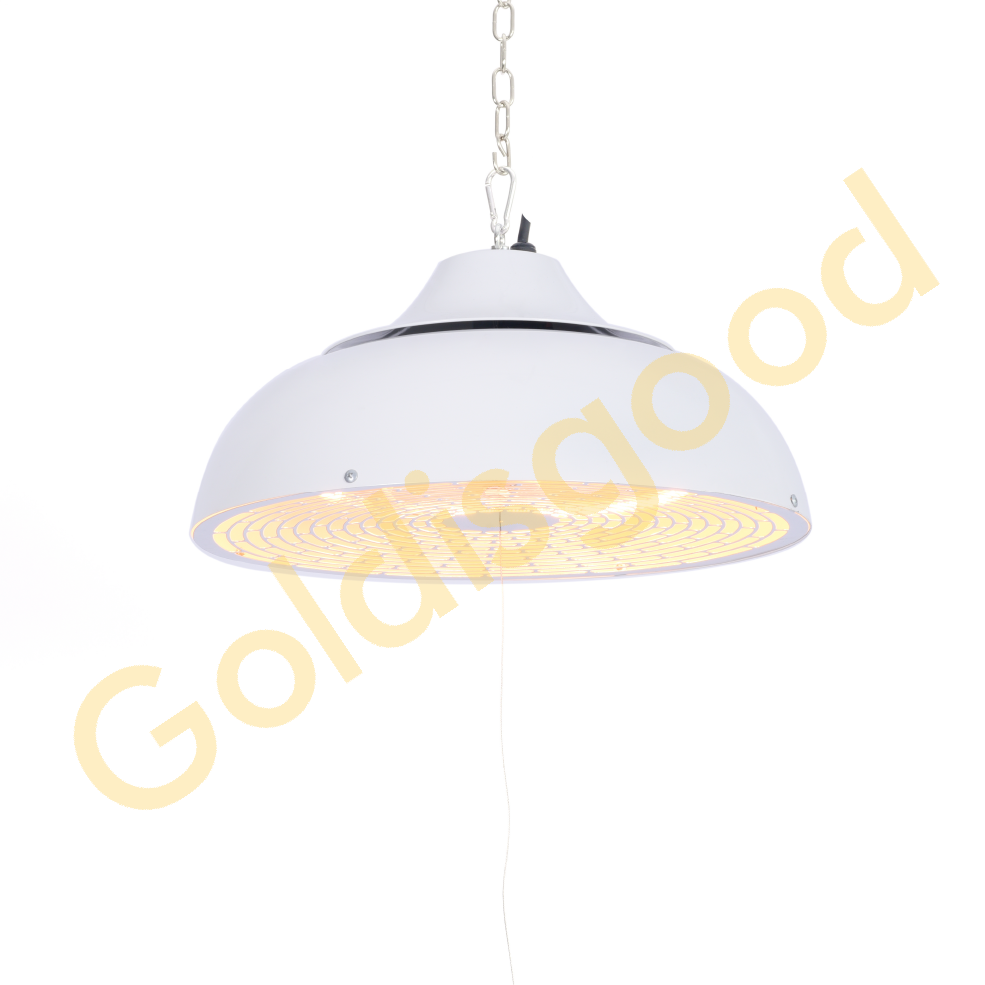
If you’ve ever run a factory or a warehouse, you know the ceiling is a nightmare for electronics. You’ve got dust flying everywhere, humidity creeping in, and the occasional random splash of liquid from above. Most radiant heaters just can’t handle it. They burn out way too fast. We built our infrared units to actually survive that chaos. The problem with moisture Fog and condensation are basically silent killers for high-wattage lamps. Here is what happens: moisture settles on a scorching hot quartz tube, creating these tiny cold spots. The glass expands unevenly, stresses out, and then—snap. It cracks. To stop that, we use anti-fog coatings and sealed housings that keep the emitting surface dry. We basically manage the dew point around the element so you don’t get that thermal shock that kills those cheap heaters the moment the air gets damp. Keeping the water out When water hits the electrical terminals, it’s game over. You either get an immediate short circuit or the contacts just rot away over time. We don’t take chances with the wiring. We use specialized gaskets and drip-guards to make sure water can’t travel from the ceiling mounts down into the guts of the machine. We keep the seals tight at the junction points so nothing conductive can bridge the gap between the high-voltage leads. The honest trade-off Now, full disclosure: adding all these shields and seals does create a slight barrier. You lose a tiny bit of raw heat compared to a “naked” lamp. But honestly? It’s a trade I’d make every single time. A heater that runs at 90% efficiency for five years is a hell of a lot better than one that gives you 100% for six months and then shatters. One last tip: if you’re putting these in a high-pressure wash area, go with stainless steel mounting brackets. Standard powder-coated steel will rust long before our anti-fog elements ever give up.