



Power, Voltage, and Size—The Real Deal
We built this high-purity quartz heating element to be a straight-up replacement for your industrial heater. No fuss, no redesign. It runs on 400V because that’s what it takes to hit 2500W and get you up to temperature fast. The footprint? We kept it at 300mm for a reason. It gives you enough surface area to deliver that power without eating up extra space on your machine. So you get serious heating performance that actually fits the spot you already have. But here’s the catch: 2500W throws off a lot of heat. That means your cooling system needs to be up to the job. Plan for it, and everything runs smooth. Skip it, and you’ll be fighting the heat instead of using it.
What It’s Made Of—And Why It Matters
Inside, you’ve got a halogen-filled, high-purity quartz envelope. It’s the kind of build that keeps output steady over time—no dimming, no blackening that kills standard heaters early. And the quartz handles rapid on/off cycling without cracking. If your process turns heat on and off a lot, that durability isn’t a nice-to-have—it’s essential. For hooking it up, we use an R7s connector. It’s a standard industrial connection, solid and simple. You wire it in quickly, without hunting down custom brackets or tangled harnesses. In other words, it’s a true drop-in swap when the old unit gives up.
Built for the Shop Floor—And the Real Pace of Work
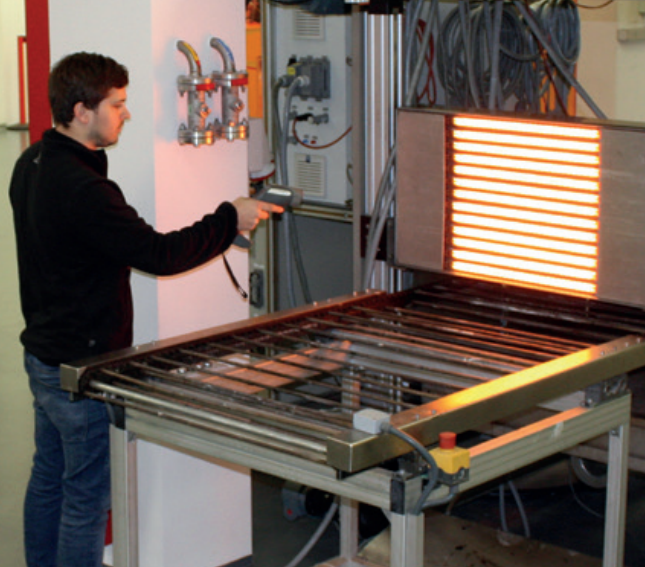
This setup is made for places where timing and temperature matter. The high heat density and fast response give you precise, immediate control—handy for plastic processing, glass forming, and similar jobs where heat has to be on point, right now. We back it with a 24-month quality guarantee and a 24-hour technical response window. Because when a heater dies at 2 a.m., you don’t want excuses. You want a replacement and answers, fast. We’re here to keep your line moving.
The Honest Truth You Can Plan With
A 400V, 2500W tube delivers serious heat. That’s the point. But it also means your machine’s cooling has to be properly sized to manage the ambient temperature. It’s not optional if you want reliability that lasts.