


Gold-Coated Infrared Lamps: Keeping Semiconductor Lines Running—Without the Drama of Lamp Bursts
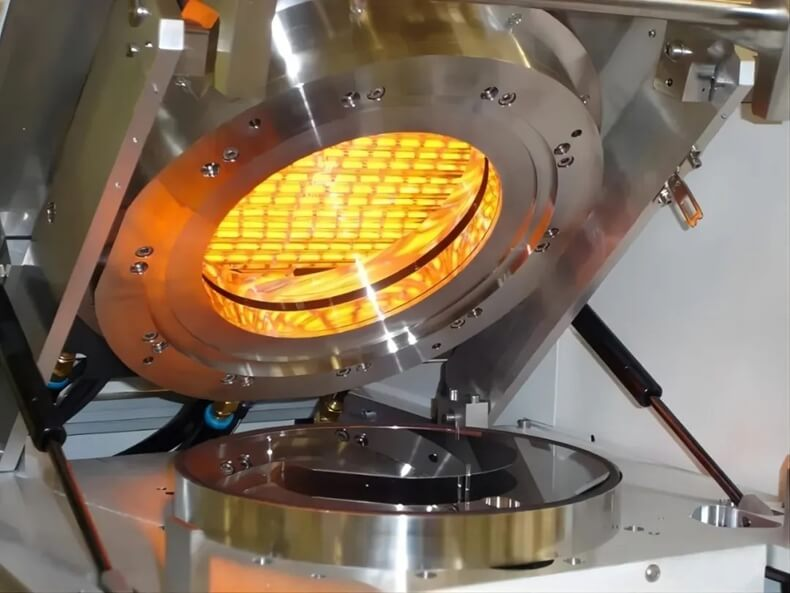
We build gold-coated infrared lamps for one simple reason: to keep high-volume semiconductor lines humming, without the nightmare of a lamp bursting and contaminating wafers. Because in 24/7 production, one quartz rupture can stop a tool cold—and scrap a whole lot of work. So we design around the real physics of heat, stress, and keeping contamination out.
Power, Voltage, and Size—Built for the Real World
These lamps pack a lot of heat into a small footprint. That means you can get the heat you need right where you need it, without overhauling the entire tool. We match voltage and wattage to the lamp length and quartz wall thickness, so the filament stays steady even when you’re switching on and off fast. And the shortwave infrared output gives you that snappy thermal response—exactly what matters when the line is running hard and the process window is tight.
Materials and Design: The Details That Prevent Disaster
The quartz envelope is chosen for serious thermal shock resistance. It has to handle the heat swings without cracking. Then there’s the gold coating. It reflects infrared back onto the filament and the load, which helps even out the temperature and takes pressure off the quartz. That matters when you’re ramping quickly—less stress, less risk of thermal cracking. And the connectors—typically R7s or SK15—are practical, tool-room-friendly choices. They make wiring straightforward and service quick when you need it. Gold also stays stable at high temperatures, so you don’t get coating degradation that sheds particles. Clean. Reliable. No surprises.
What This Means on the Line: Less Downtime, Less Contamination
In semiconductor heating, failure isn’t just “the lamp dies.” It’s contamination. Our lamp is engineered to stop burst events from sending quartz shards or hot debris onto the wafer. That’s the kind of protection that keeps your yield—and your sanity—intact. Now, here’s the honest part: high power density means your tool’s cooling and thermal management have to be up to the job. If the chamber can’t shed heat, the lamp will feel more stress. But when everything is spec’d right and the system can handle the heat, you get repeatable heating and far fewer unplanned stops. Just steady performance. The way a line should run.