


Making Your Workshop Heat Actually Work for You
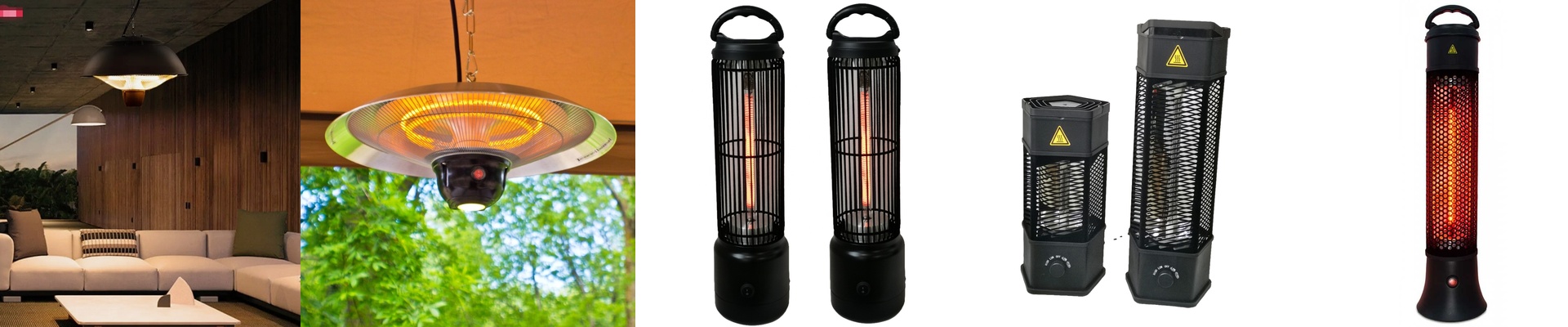
If you’ve ever stepped into a freezing workshop in January, you know the struggle. You turn on the heat and then… you wait. And wait. That’s why I prefer ceiling-mounted infrared heaters. Instead of trying to warm up every cubic inch of air in the room, they just beam heat straight down onto you and your tools. It’s like stepping into sunlight on a cold day. But the real magic happens when you stop flipping manual switches and let a smart system handle it. Getting warm, fast When you’re ready to work, you don’t want to spend twenty minutes shivering while the room warms up. By hooking these heaters up to smart relays or PLC modules, you can trigger the whole array from an app or a timer. One tap, and the heaters hit full blast instantly. No lag. No waiting for a blower to kick in. You just feel the heat hit your shoulders immediately. Working smarter, not harder Here is the thing: heating a massive empty floor is just throwing money away. I usually set these up with motion sensors. The heaters only kick in when someone is actually standing in that specific zone. If you’re working at the workbench, that area stays toastie. If you move to the lathe, the heat follows you. The system just handles the cycling in the background to keep things steady. The “Hot Spot” Problem It isn’t all plug-and-play, though. There’s a bit of a balancing act here. If you cram too many high-power heaters into a small area, you’ll end up sweating under the lamp while your toes are still freezing. You have to get the wattage and the ceiling height just right so the heat spreads evenly. Otherwise, you just get “hot spots” that make the room feel erratic. The gritty side of installation If you’re doing this in a real shop—the kind with heavy machinery and loud motors—you can’t just use cheap wires. All that electrical noise from your equipment can mess with the sensors and cause the heaters to flicker or turn on for no reason. I always use shielded cabling to keep things quiet. And a heads-up: when a bunch of these units kick on at once, they pull a lot of power. You need a beefy electrical panel and the right circuit breakers. Don’t cut corners here. It’s simply not worth the risk.