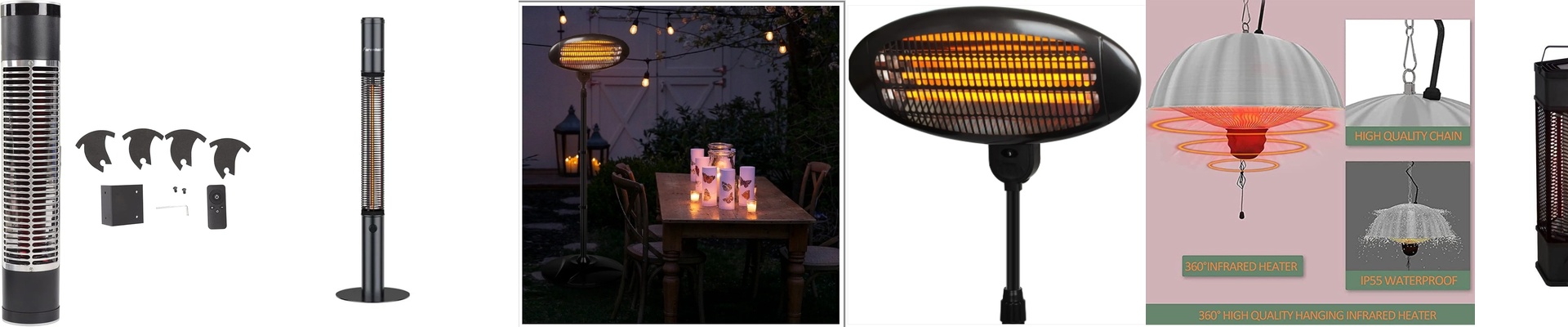
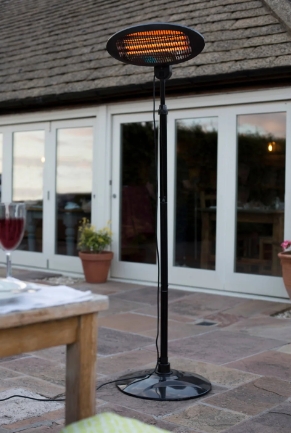
Why Your Outdoor Heater Actually Lasts (The Stuff Nobody Talks About)
Let’s be honest: the outdoors is a nightmare for electronics. Between the humidity and the random rain showers, most outdoor heaters are basically ticking time bombs. That’s why we spent so much time obsessing over the “boring” stuff—like fog and splashes—to make sure your heater doesn’t just quit on you mid-winter.
The Problem with Fog
Most people think fogging is just about visibility. It’s not. When a tiny drop of water hits a scorching hot quartz tube, it creates a “cold spot.” That sudden temperature jump puts a massive amount of stress on the glass, leading to those tiny micro-cracks you can’t even see. Once the seal is gone, the filament inside hits the air, oxidizes, and snaps. Game over. To stop this, we use hydrophobic coatings and tweaked the airflow. It keeps the tube clear and the temperature steady, so the glass doesn’t freak out and crack.
Dealing with the Rain
Water and electricity are a terrible mix. We’ve all seen it happen. We didn’t build a submarine—no outdoor heater is completely waterproof—but we did seal the electrical junctions and used alloys in the reflectors that won’t just rust away. It’s all about keeping the guts of the machine dry enough that a bit of light rain or a few splashes won’t short the whole thing out.
A Quick Word on Airflow
Here is the trade-off. To keep the moisture out, we have to use shields and seals. These work great, but they do restrict airflow a bit. This means the inside of the housing gets hotter than it would on a cheap, open-frame unit. Please, don’t mount these too tight against a wall or ceiling. If the heat can’t vent, it just soaks back into the wiring and eats away at the lifespan of the unit. Give it some breathing room, and it’ll last years longer. It’s the difference between a flimsy seasonal toy and a piece of gear that can actually take a beating from the weather.