Making Infrared Heaters Safe for the Little Ones
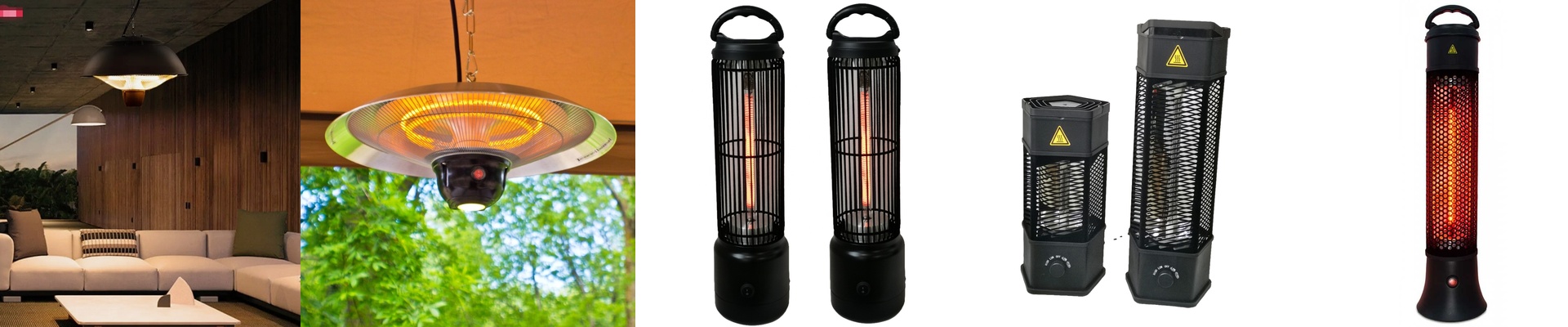
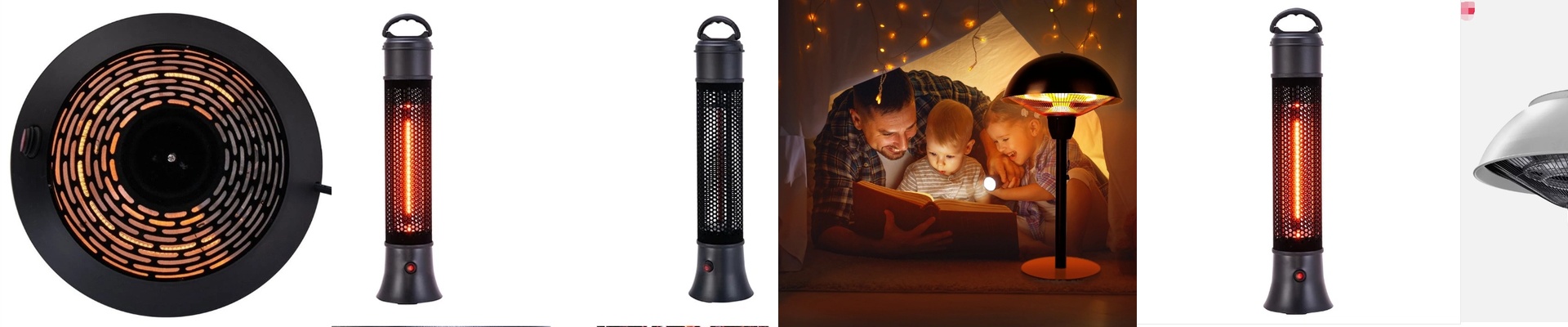
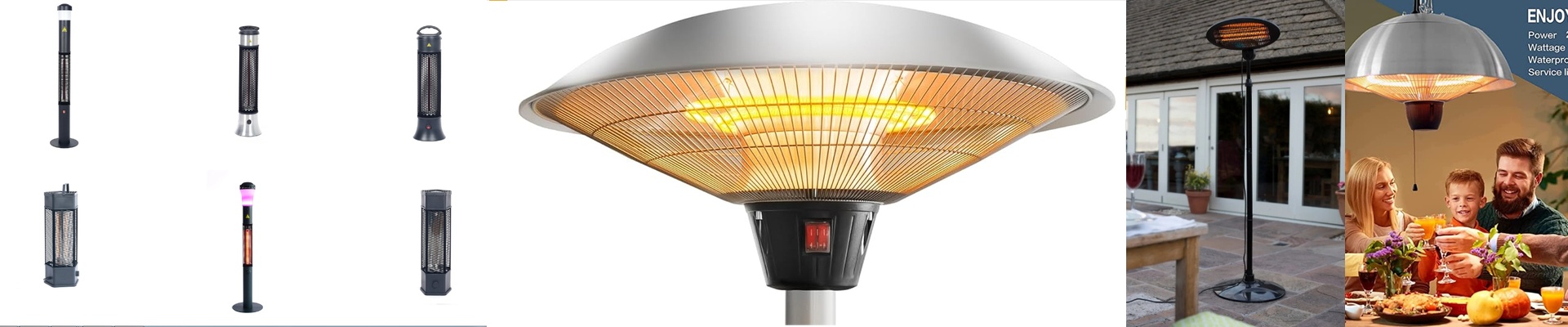
When you’re putting together an infrared heater for a bathroom—especially if there’s a nursery involved—the biggest headache isn’t actually the heat. It’s the light. Standard short-wave lamps are bright. Like, “blinding glare” bright. For an adult, it’s annoying. For a baby with eyes that aren’t fully developed yet, that kind of light can actually be dangerous for their retinas. We can’t have that. The trick to fixing the glare To get around this, we change how the light comes out. Instead of just dimming a bulb, we use special quartz coatings or filtered envelopes to physically block those harsh, blinding wavelengths. It creates a much softer glow. You still get that cozy, radiant warmth hitting your skin, but you aren’t blasting the room with high-intensity light that tires out the eyes. Keeping the heat steady Then there’s the actual warmth. In a bathroom, you want that instant “hug” of heat the second you step out of the shower. But you also can’t have “hot spots.” Nobody wants a patch of skin getting scorched because they stood too close to the lamp. We spend a lot of time tweaking the wattage so the heat feels consistent and safe, even if you’re standing right next to it. The trade-off Here’s the honest part: when you filter the light, you lose a bit of raw power. You won’t get as much “punch” per watt as you would with a giant industrial heater in a warehouse. But in a home or a nursery? Safety wins every time. I’d take a slightly less powerful heater over a risky one any day. One last tip on the install If you’re wiring these in, please double-check your IP ratings. These lamps get hot, and bathrooms get steamy. If moisture leaks into the housing, your filament is going to burn out way faster than it should. Stick with a moisture-sealed chassis. It’ll save you the hassle of replacing the lamp every few months.