

Why Your Bathroom Heater Keeps Dying (and How to Fix It)
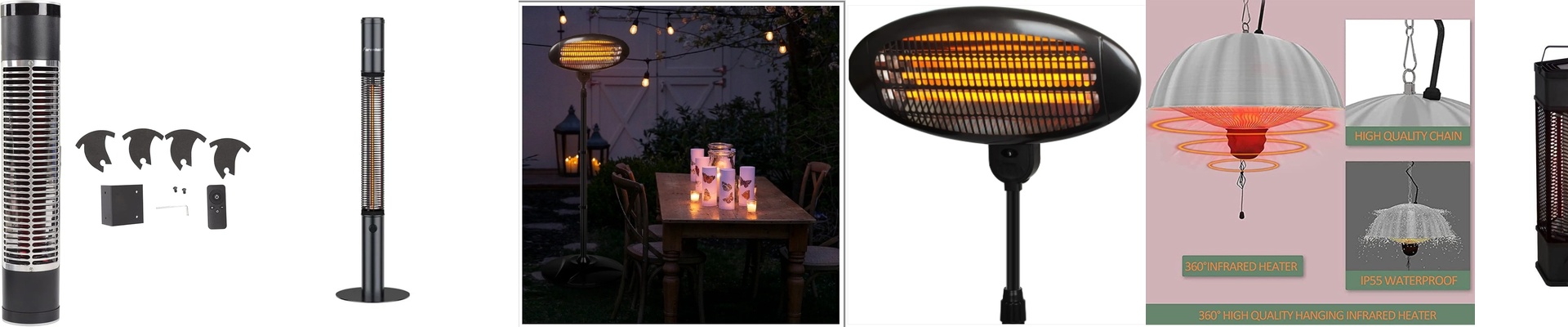
Ever noticed how those old-school halogen or quartz heaters always seem to quit right when you need them? It’s usually because bathrooms are brutal on electronics. Steam gets inside the housing, things start to corrode, and before you know it, you’ve got a short circuit or a burnt-out filament. That’s why we’ve been moving toward IP55-rated infrared heaters. They just actually last.
What’s the deal with “IP55”?
Forget the technical jargon for a second. In plain English, IP55 means the unit is built to handle a mess. It keeps dust out and, more importantly, it can take a splash of water from any angle without freaking out. Think about your morning routine: steam everywhere, maybe a few splashes from the shower. Standard heaters basically leak, letting moisture eat away at the guts of the machine. IP55 units use heavy-duty gaskets and special cabling to keep the electrics bone-dry. It’s the difference between a heater that dies in two seasons and one that actually does its job for years.
Heat you can actually feel
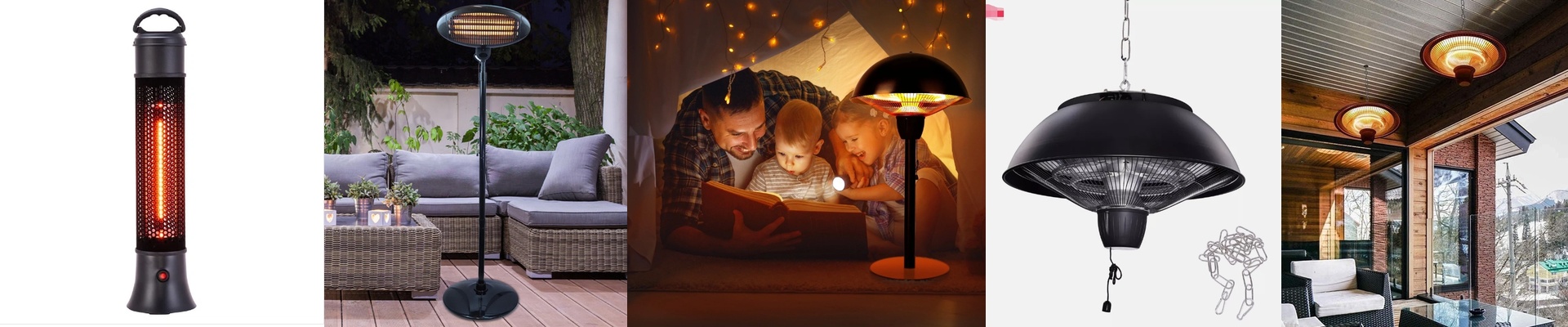
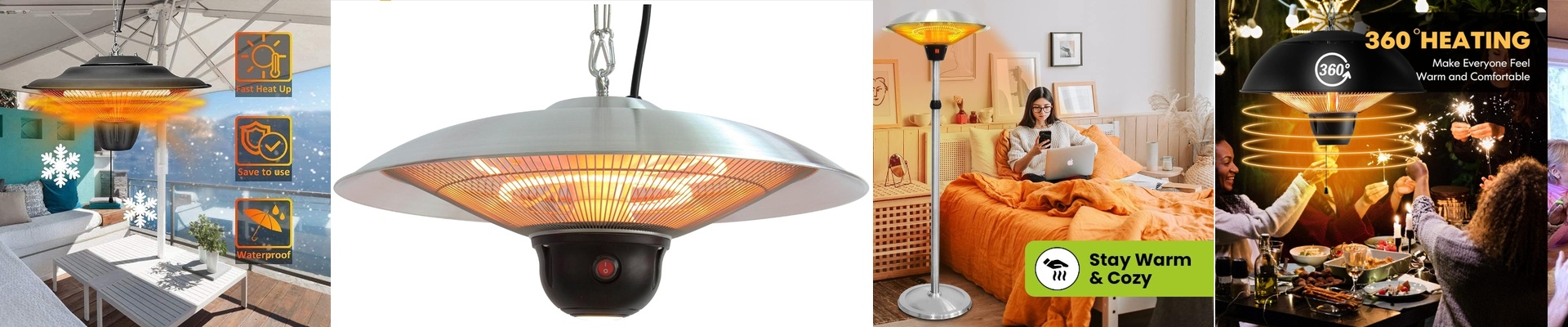
Most heaters try to warm up the air. But if you’ve got a drafty bathroom, that warm air disappears the second you crack the door. Infrared is different. It doesn’t bother with the air; it sends out waves that hit you—and your towels—directly. We use short or medium-wave emitters so the warmth hits you the moment you flip the switch. It doesn’t matter if the room is freezing; you feel that glow instantly. It’s a much better way to wake up.
A few things to watch out for
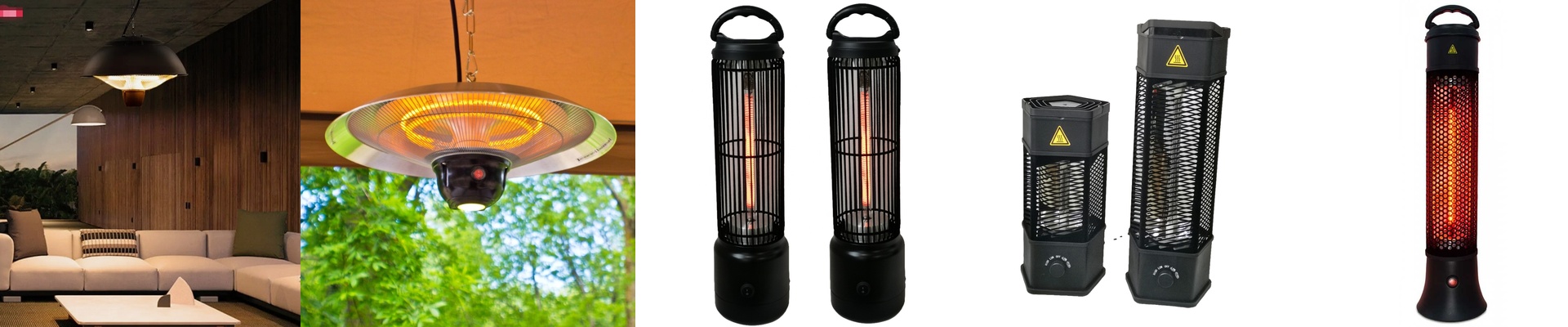
You can’t just plug these into any old outlet. You’ll need a dedicated circuit and, since we’re mixing high-voltage heat with water, a GFCI or RCD is a non-negotiable. Safety first. And here is a pro tip: don’t just cram these into a tight ceiling void. Because the IP55 housing is sealed tight to keep water out, it traps more heat inside the unit than an open-frame heater would. If you don’t leave enough breathing room, the thermal cutout will kick in and shut the whole thing down. Check your ceiling depth before you buy. Give the heater some space to breathe, and you’ll be set.