Stop Wasting Heat: A Better Way to Warm Your Wafers
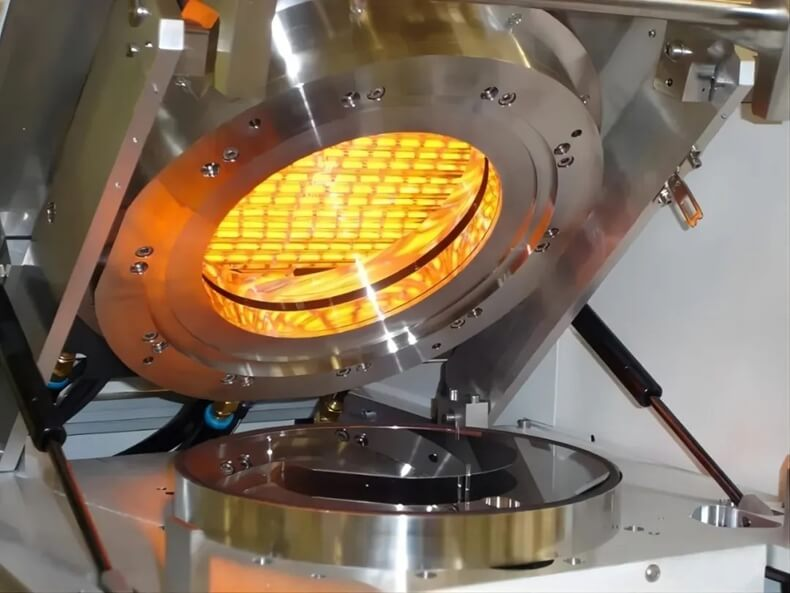
Heating a silicon wafer is all about precision. But here’s the problem: standard IR lamps are messy. They throw heat in every single direction—360 degrees of radiation. In a cramped semiconductor chamber, that heat doesn’t just stay on the wafer. It slams into the inner walls. Before you know it, your equipment casing is scorching hot. It’s a waste of power, and honestly, it’s a safety nightmare for whoever has to stand next to the machine. How we fix the “spray” We don’t just leave the quartz tube bare. Instead, we use specialized reflectors and coatings to basically “push” the infrared energy exactly where it needs to go. Think of it like switching from a lightbulb to a flashlight. By narrowing that beam, we make sure the photons actually hit the wafer instead of heating up the housing. The trade-off (because there’s always one) The upside? You can crank up the watt density without melting your machine’s internals. Your wafers ramp up to temperature way faster. But you have to be careful. When you tighten the beam, the heat becomes incredibly concentrated. If your wafer is even a tiny bit off-center, or if your Z-axis height is off, you’ll end up with uneven heat across the surface. You’ll need your PID controllers to be dialed in perfectly to handle those tighter margins. Keeping things cool and clean When the walls stay cool, everything lasts longer. You stop dealing with that “hot wall” effect that usually kills your seals or warps your components. It just feels more stable. One big tip:Keep your reflectors spotless. It sounds simple, but a tiny bit of dust or residue from outgassing will scatter the beam. The moment that happens, all that heat goes right back into the chamber walls. Keep the optics clear, and the system stays efficient.