Stop Wasting Your Heat: A Better Way to Cure Wafers
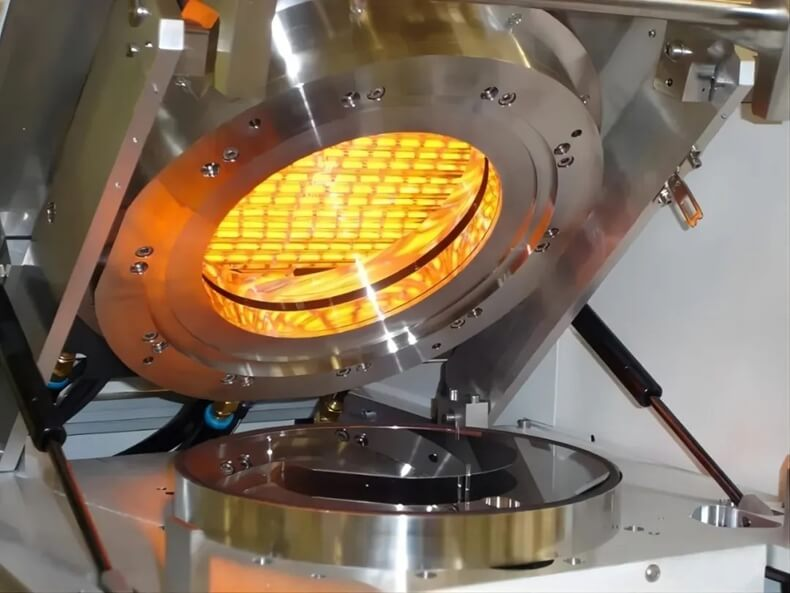
If you’re running an IR lamp without a reflector for wafer curing, you’re basically throwing half your energy away. Think about it. Standard IR lamps blast heat in every single direction—a full 360 degrees. In a cramped curing chamber, that means half the heat is just hitting the walls. Not only is that a waste, but it turns your inner chassis into a giant radiator. It’s a nightmare for your cooling system, and it’s a genuine burn hazard for anyone reaching in there for maintenance. Here is how we fix that. We use curved reflectors to essentially “flip” the heat. Instead of letting the radiation wander, the reflector catches it and pushes it straight toward the wafer. It’s a simple shift, but it changes everything. You get a much more intense heat flux right where you actually need it, while the rest of the cabinet stays relatively cool. The machine stops soaking up heat it doesn’t want. Choosing the right gear Depending on your lamp’s wavelength, we usually go with gold-coated or high-purity aluminum. Gold is the gold standard (literally) for long-wave IR because it reflects so well. But if you’re pushing high-wattage short-wave lamps, you need a reflector that can take the heat without warping. But a word of caution: when you focus a beam, you’re concentrating a lot of power. If the lamp is too strong or sits too close, you’ll end up with hot spots or, worse, a ruined wafer. It’s all about finding that sweet spot with your focal point and curing cycle. Why this actually matters Adding a reflector turns a blunt heat source into a precision tool. Your HVAC and chillers don’t have to work nearly as hard. Plus, your team can actually perform maintenance without worrying about touching a scorching hot wall. It’s a quick, mechanical fix that solves a massive thermal headache.