
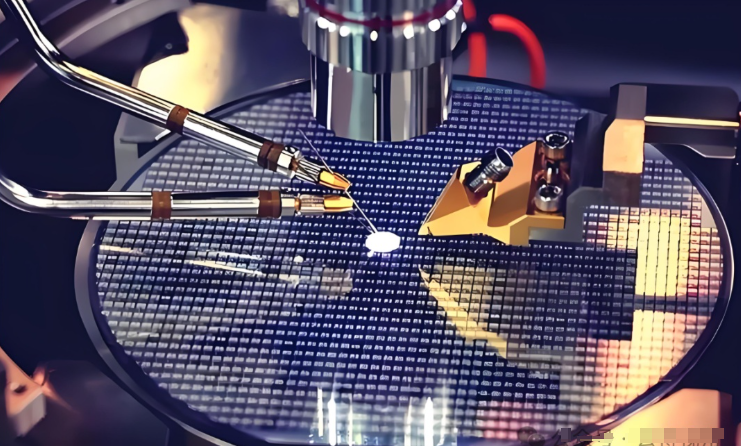
Stop Cooking Your Equipment: A Better Way to Handle Bench Heating
If you’ve ever worked in a cleanroom, you know the struggle. You need to get a specific internal component up to temperature, but you don’t want to turn the entire machine into an oven. Standard convection heaters are basically heat grenades—they throw warmth everywhere. Before you know it, the chassis is too hot to touch and you’re stressing over whether your nearby electronics are about to fry. We stopped fighting that battle by switching to directional infrared (IR) lamps. How it actually works Think of it less like a heater and more like a flashlight. Instead of heating up all the air in the box, IR lamps shoot electromagnetic radiation in a straight line. The energy only transfers when it actually hits the surface of your workpiece. The air in between? It stays pretty cool. You aren’t wasting power heating up the atmosphere or the inner walls of your bench. You’re just putting the heat exactly where it needs to go. The nitty-gritty (and the catches) We usually go with shortwave or medium-wave quartz elements. Shortwave is the way to go if you’re in a rush. It’s fast. Really fast. You can hit your target temp in a few seconds. But it’s not all magic; there are some trade-offs. Because the heat is so concentrated, you can get nasty hotspots if your distance isn’t dialed in perfectly. You also have to keep your reflectors polished to a mirror finish. If they get dusty or start to warp, the beam spreads out. That’s when you start feeling that heat bleed back into the machine frame again. Why this makes life easier The best part is that you can ditch the heavy insulation on the interior walls. It makes the whole assembly smaller and way less bulky. Plus, it’s just safer. Your operators can actually get close to the equipment without worrying about getting burned by the chassis. It really comes down to a simple goal: get the photons on the part, not the box.