Built to Survive the Elements: Why Your Outdoor Heater Shouldn’t Be an Indoor One
If you’re putting infrared heaters in a pergola, you’re basically inviting the weather to try and break your gear. Between the humidity, the morning dew, and that annoying wind-blown rain, it’s a tough spot for electronics. Most people make the mistake of using standard indoor heaters. They look fine at first, but they usually burn out fast. Why? Because moisture sneaks into the electrical contacts and ruins the quartz glass. It’s a mess. We build our outdoor units specifically to take that beating.
Dealing with Water and Mist
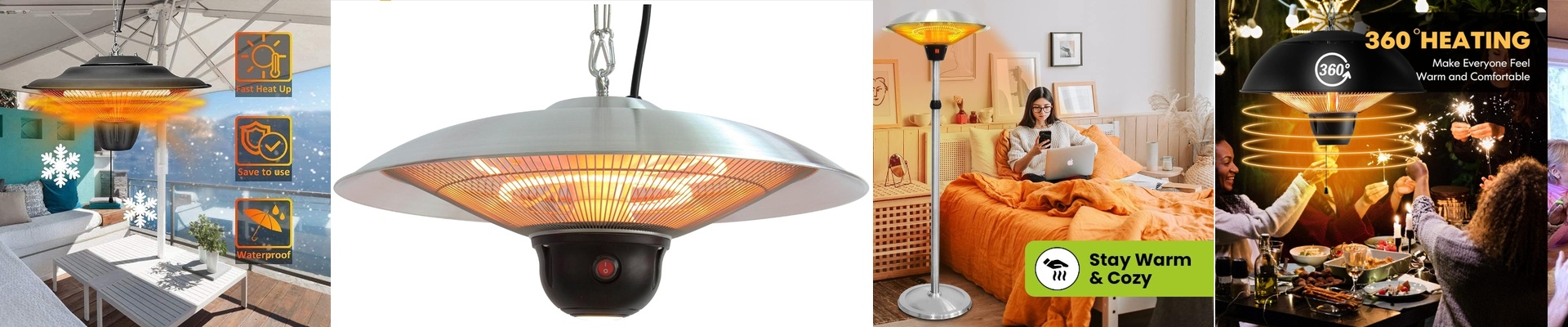
Water is the enemy here. If it gets inside the heating elements, you’ve got a short circuit on your hands. To stop that, we use sealed housings that actually keep the splashes out. We focus heavily on the junction points—where the wiring hits the element—because that’s usually where the leaks start. We seal those tight so water can’t creep in. Then there’s the mist. That’s a different kind of headache. When a heater kicks on and off in a damp environment, you get these temperature swings. Moisture beads up on the lamp, and if you aren’t careful, that glass can crack from the thermal shock. We use special coatings and smart airflow paths to keep that mist from building up. It keeps the heat steady and the glass intact.
The Parts That Actually Last
We don’t use cheap steel for the reflectors or brackets. Plain steel is a joke outdoors; it’ll be rusted through in a single season. Instead, we stick with powder-coated aluminum or stainless steel. It stays clean. It stays strong. There is one catch, though. When you seal a unit this tightly to keep water out, you lose some airflow. This means heat can get trapped around the internal wiring. Because of that, you can’t just jam the heater into a tight corner. You’ve got to give it the clearance we recommend in the manual, or you’ll risk overheating the wires during a long winter night.
What This Means for You
At the end of the day, this is about not having to buy a new heater every year. Instead of dealing with corroded terminals or shattered glass every February, these units just keep working. You get a steady, warm glow season after season. Sure, you have to be a bit more mindful about where you mount them, but that’s a small price to pay for hardware that doesn’t give up the first time it rains.