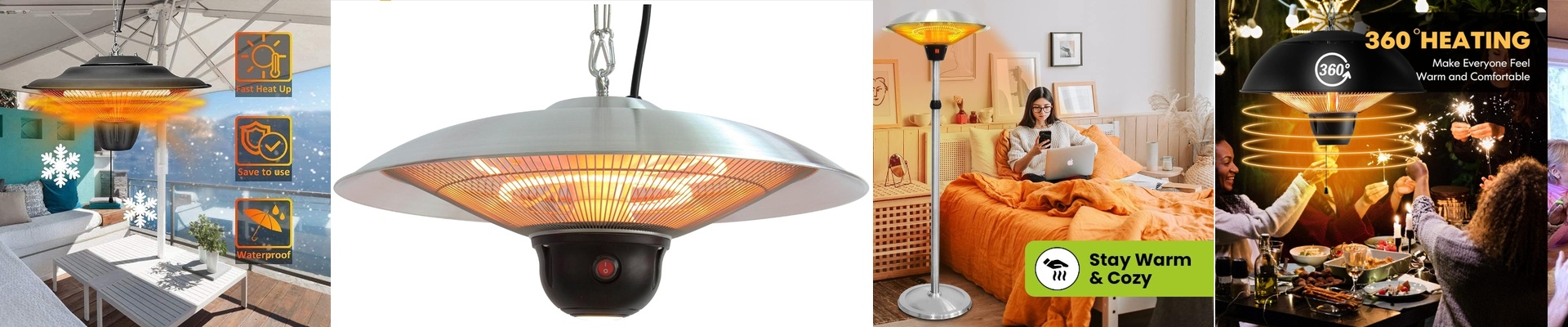
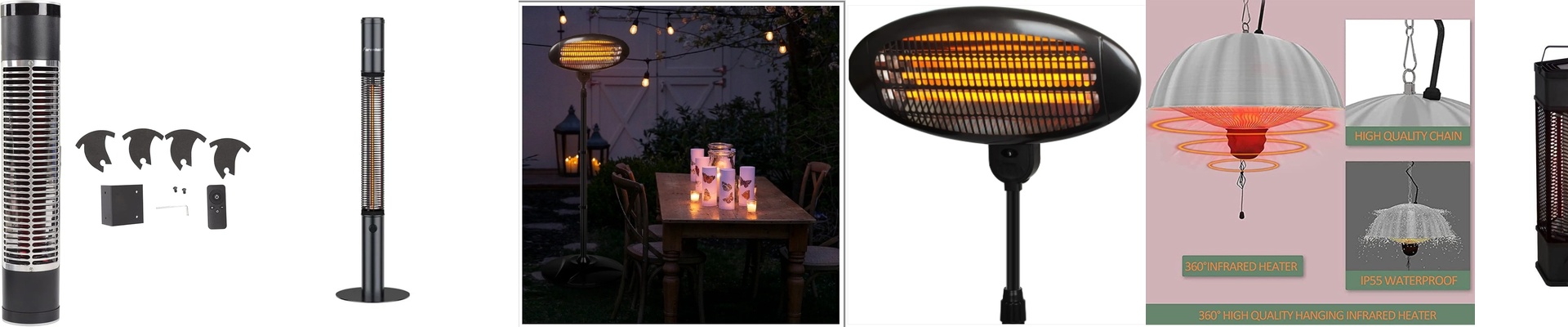

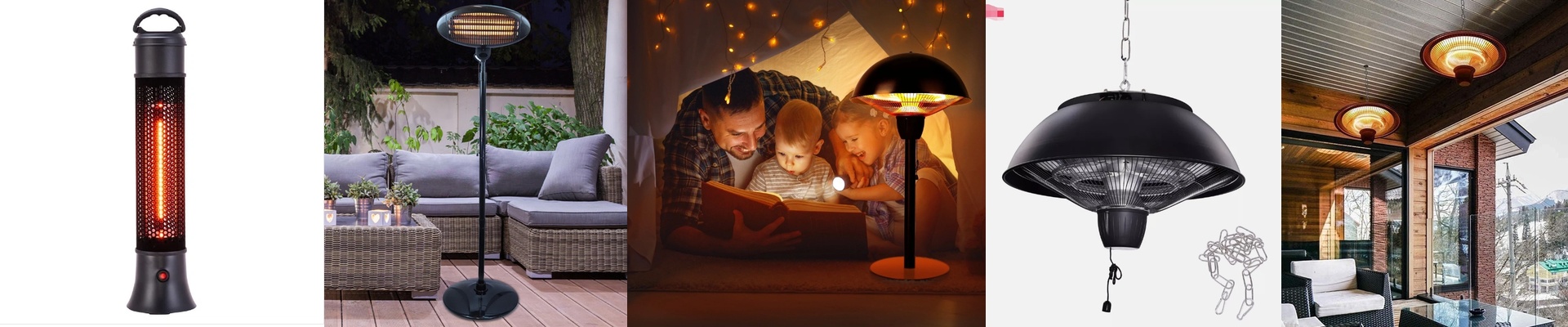

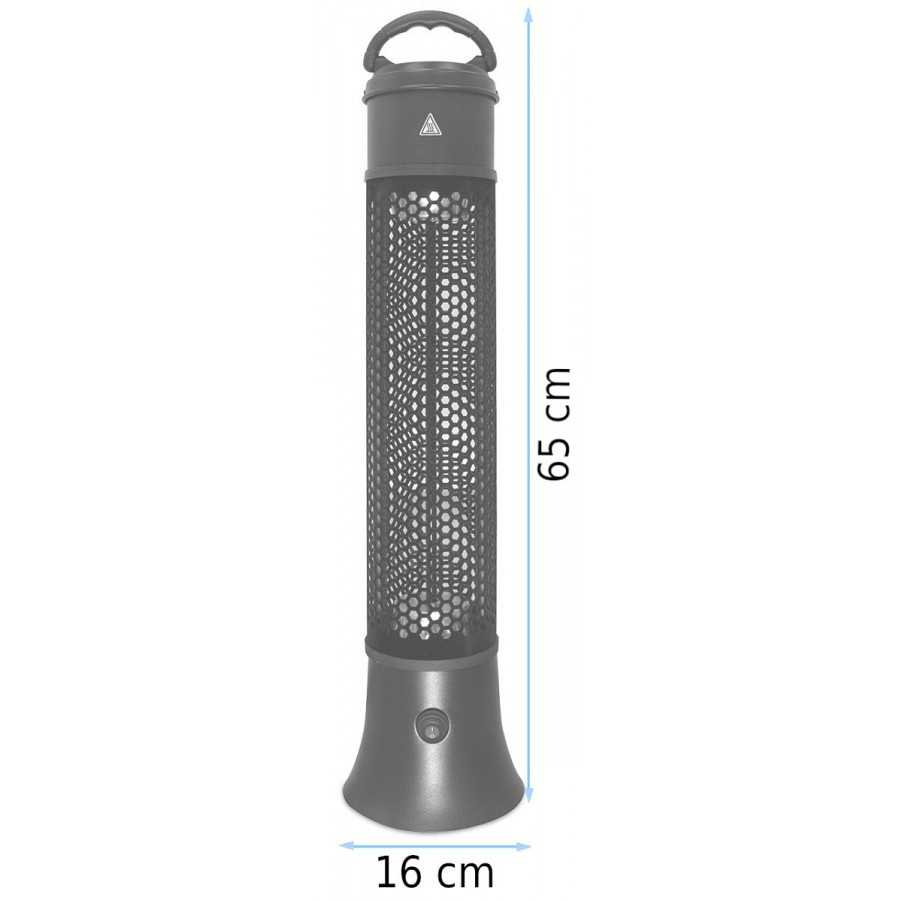
Stop Your Infrared Heaters From Shorting Out: The Truth About Lead Wire Sealing
If you’re running infrared heaters in wet environments, you already know the nightmare: water gets in, things get hot, and suddenly your unit is dead. Most people obsess over the IPX5 rating of the outer casing. I get it. But here’s the thing—the casing isn’t usually where the real trouble starts. The real danger is the lead wire entry point. That’s the “weak spot” where moisture sneaks in, meets high heat, and triggers a short circuit that kills your hardware.
Why standard seals just don’t cut it
A lot of heaters come with basic silicone or rubber grommets. On paper, they look fine. In the real world? They’re a liability. Think about the thermal cycling. The heater kicks on, gets scorching hot, then cools down. The materials expand and shrink over and over. Eventually, tiny micro-gaps open up. It’s barely enough for a drop of water to get through, but that’s all it takes. Once moisture hits those copper leads at high temperatures, oxidation kicks in fast. The connection becomes brittle. Then the insulation burns. And just like that, you’re staring at a blown fuse.
How we actually fix this
We stopped relying on a single gasket. Instead, we use a multi-stage approach. We combine fluorosilicone seals with high-temp epoxy resins. Why? Because these materials don’t shrink or crack, even when they’re taking a beating at 200°C+. We use a potting compound to completely wrap the junction. No air gaps. No room for condensation to settle. It just stays sealed.
The honest trade-off
I want to be upfront about one thing: this kind of sealing makes the heater a permanent piece of gear. You can’t just swap out a wire in the field if something goes wrong. If a lead gets severed, you’re replacing the whole head. It’s a choice. You give up field-serviceability to get a system that actually survives a wash-down environment without shorting out. One last tip: make sure your wiring harness is rated for the same heat as the seals. There’s nothing worse than having a perfect seal only to have the wires melt right outside of it.