

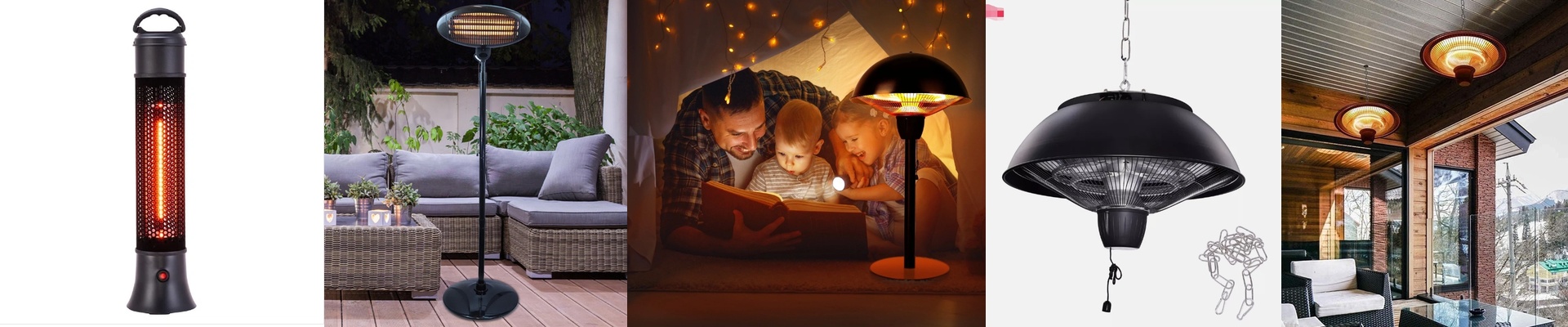
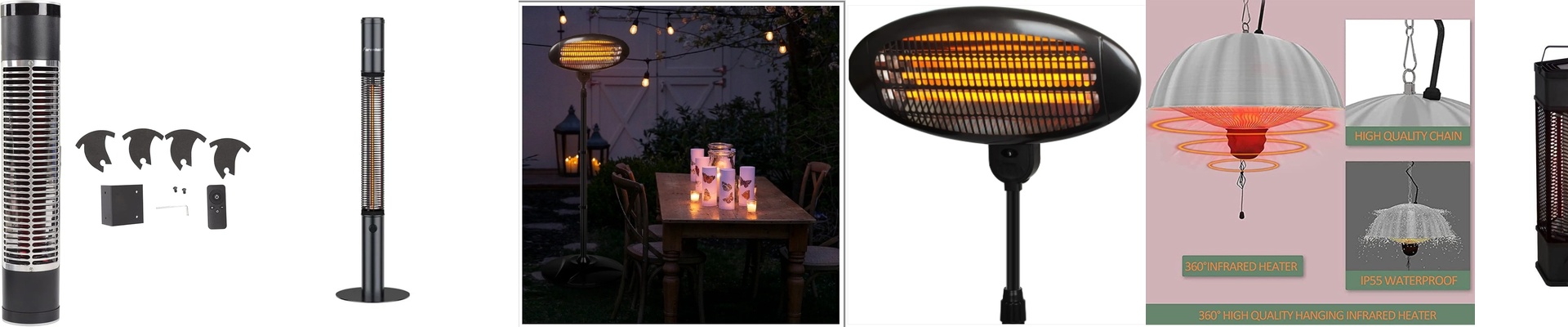

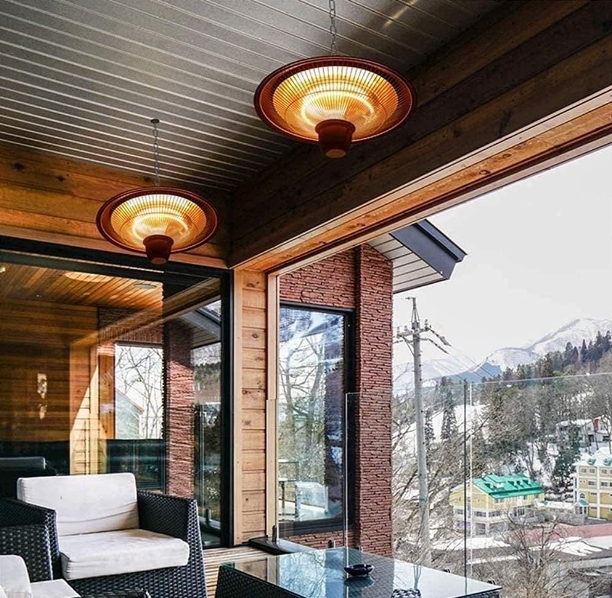
Keeping Your Bathroom Infrared Heaters Safe and Dry
Putting an infrared heater in a bathroom isn’t as simple as just slapping on a waterproof cover. You’ve got high-wattage gear sitting in a room full of steam and splashing water—and trust me, moisture loves to find the smallest gap in your insulation to crawl into. To actually hit that IP44 rating and keep the electricity where it belongs, we spend most of our time obsessing over where the lamp socket meets the housing. That’s where the real battle is won. The problem with steam Here’s the thing: water vapor doesn’t just sit there. It pulls itself into standard housings through capillary action. Once that moisture hits the terminals, you get “tracking”—basically tiny electrical arcs that will either fry your circuit or trip your RCD. We stop that from happening by using sealed gaskets and cable entries that actually push water away. When we talk about IP44, it just means the unit keeps out anything larger than 1mm and can handle splashes coming from any direction. Simple, but vital. The guts of the machine We don’t use cheap plastics here. We use reinforced ceramic sockets and double-insulated wiring because they can take the heat without warping. The chassis has to be bonded to a dedicated earth ground. And if you’re wiring this into a damp-zone grid, you want your leakage current to stay under 0.75mA. We also swap out standard PVC leads for silicone-insulated ones. Why? Because PVC tends to crack and melt when it’s constantly heating up and cooling down in a humid bathroom. The reality check Let’s be honest: no seal lasts forever. These lamps get incredibly hot, and over time, that heat can warp even the best gaskets. That’s why you need to check the seals every year. If a gasket dries out and cracks, your protection drops, and your risk of a short circuit goes up. One last tip: make sure your ventilation is actually working. You want to pull steam away from the heater face. If condensation builds up on the quartz glass, the thermal shock can actually crack the tube. And nobody wants to deal with that.