


Why we’re ditching hot air for IR in semiconductor drying
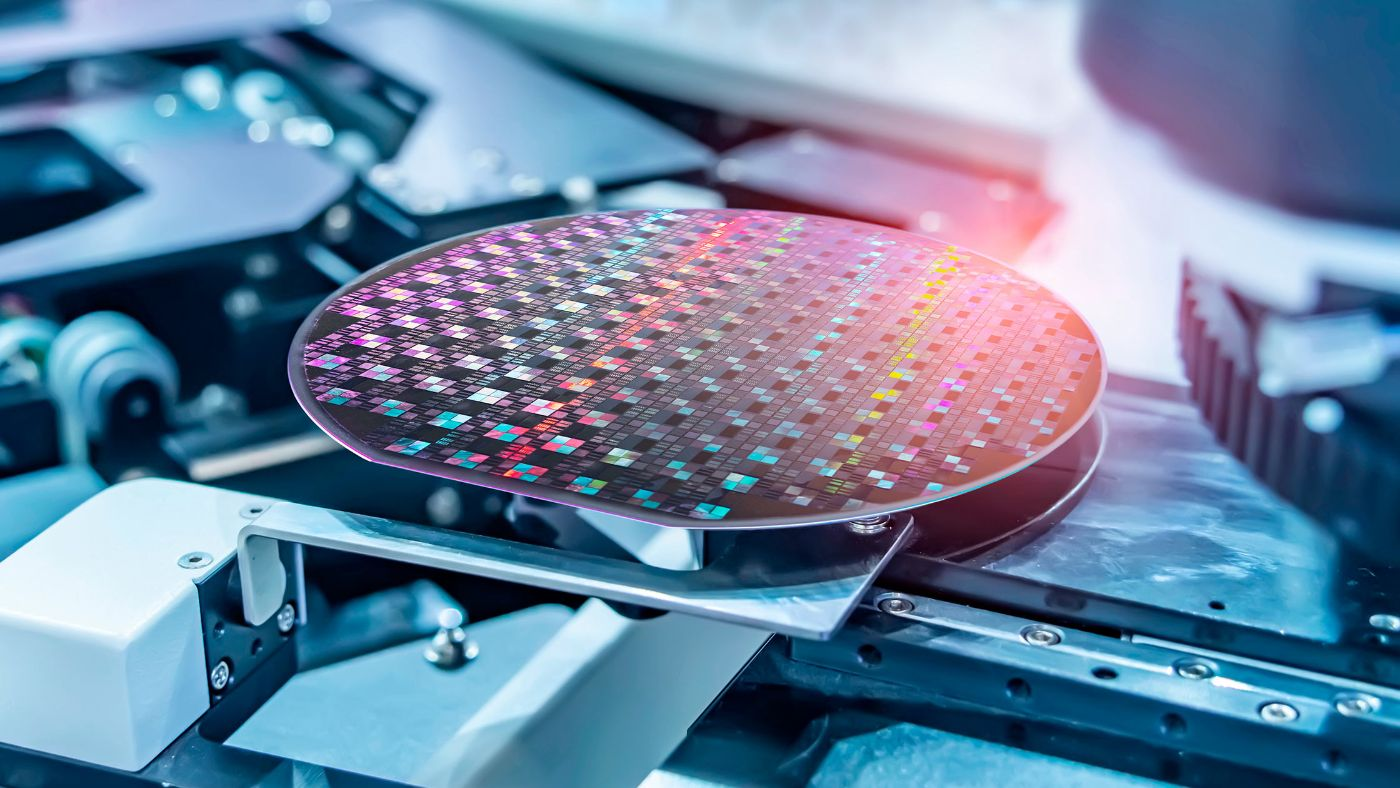
Let’s be honest: the rinse stage is usually where everything slows down. For years, the go-to has been hot air circulation. But that basically means you’re heating up a giant box of air just to get a wafer dry. It feels like a waste of time and electricity. That’s why we’ve shifted to waterproof infrared (IR) lamps. Instead of warming up the room, these lamps beam energy directly into the substrate. It’s a completely different way of handling the physics. It’s all about the clock Hot air is slow. It has to push moisture out and heat up the air mass before anything actually happens. IR lamps? They hit the target instantly. We’re talking seconds, not minutes. When you cut that “time cost” per batch, your throughput jumps. That’s exactly why lines moving toward higher volumes are making the switch. Dealing with the mess Now, usually, IR lamps and water don’t mix. Standard bulbs just burn out the second they hit a humid environment or a stray splash from a rinse bath. We fixed that by using sealed quartz envelopes and some pretty heavy-duty end-cap seals. This keeps the moisture out and the filament safe. You get all that shortwave heat density without worrying about a short circuit because someone splashed some water. It just works, even right over the rinse baths. A few things to watch out for It’s not all magic—there are some trade-offs. Because high-intensity IR dumps so much heat so quickly, you have to get your cooling right. If you crank the lamps too high without managing the temperature around the fixtures, you might warp your brackets or fry a nearby sensor. Not ideal. To keep things steady, we suggest using a PID controller to dial in the power. It stops the wafer surface from overshooting the target temperature. You keep the speed, but you get the stability you need to keep the process from going sideways.