

Stop Waiting on Your Oven: Why IR Heating Wins in Semiconductor Processing
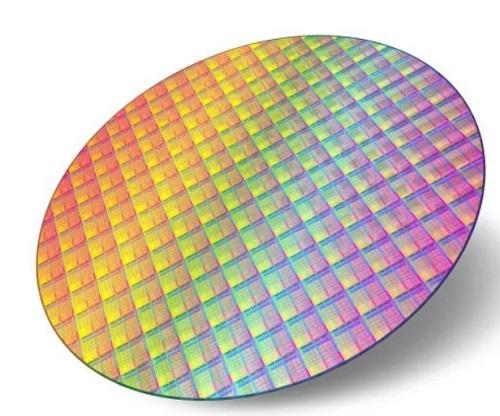
If you’re still relying on hot air circulation for semiconductor deep processing, you’re basically spending a huge chunk of your day just waiting. Think about how hot air works. You have to heat up the air, then the chamber, and then finally the wafer. It’s slow. It’s a lot of wasted energy just to get the environment ready. IR heating is different. It doesn’t bother with the air at all. It just beams energy straight into the substrate. It’s direct. It’s immediate. The real win here is time. In a hot air setup, that thermal lag is a killer. You’re sitting there for minutes waiting for things to stabilize. With IR lamps? You hit your target temperature in seconds. I see this most often during curing and degassing. When you cut out that long warm-up phase, your total cycle time plummets. Suddenly, you’re pushing way more wafers through every hour without having to buy another machine or crowd your floor. But you can’t just throw an IR lamp in and call it a day. The heat is intense. If you use standard PVC or silicone wiring near those emitters, they’ll melt or degrade. Fast. That’s why we stick with Teflon-coated wiring. It doesn’t flinch when things get hot, which means no shorts and no midnight emergency repairs when a lamp is running at full blast. Now, it’s not a magic bullet. There’s a catch. Hot air wraps around a part like a blanket. IR is line-of-sight. If the lamp can’t “see” it, it won’t heat it. This means you have to be really intentional about where you place your lamps and how you angle your reflectors. If your parts have deep recesses or weird shapes, you might end up with cold spots. In those cases, you’ll probably want a multi-angle array or maybe even a hybrid setup to make sure everything heats up evenly. It takes a bit more planning upfront, but the speed you get in return is worth the effort.