
Stop the Bathroom Mold: Why Your Mirror Heater Is Doing More Than Just Warming You Up
Most people see those infrared mirror heaters and think, “Oh, nice, I won’t be cold when I step out of the shower.” But there’s actually some pretty cool stuff happening behind the glass that has nothing to do with your comfort and everything to do with your walls.
How it actually works
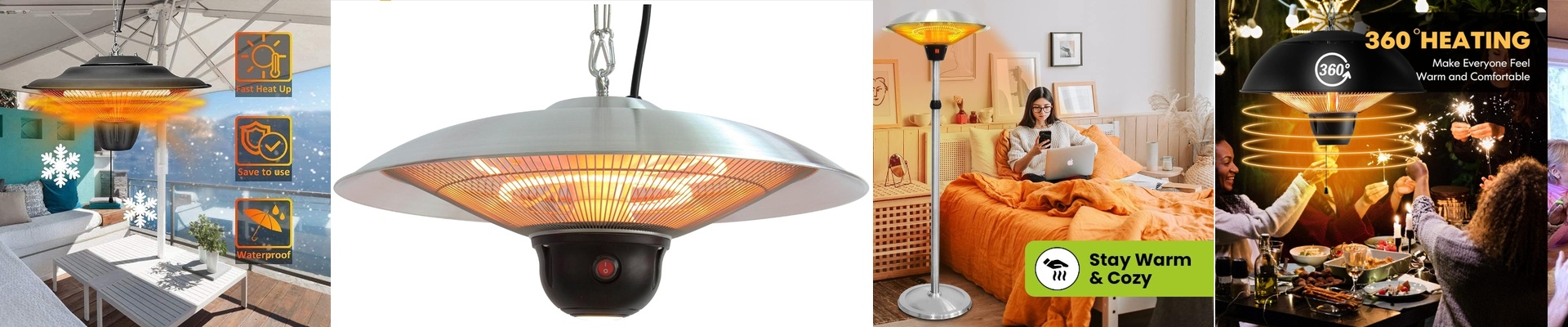
Think about a standard space heater. It warms up the air. The problem? That warm, moist air hits a cold tile wall or a chilly mirror and turns right back into water. That’s how you get those annoying droplets and, eventually, those black mold spots in the grout. Infrared is different. Instead of fighting the air, it goes straight for the surface. It pushes heat directly into the walls and ceilings. By keeping the “skin” of your bathroom warm, the water can’t settle. It just evaporates. You aren’t just heating a person; you’re basically drying the room from the inside out. It’s a quiet, passive way to keep the mold from ever getting a foothold.
The nitty-gritty on the gear
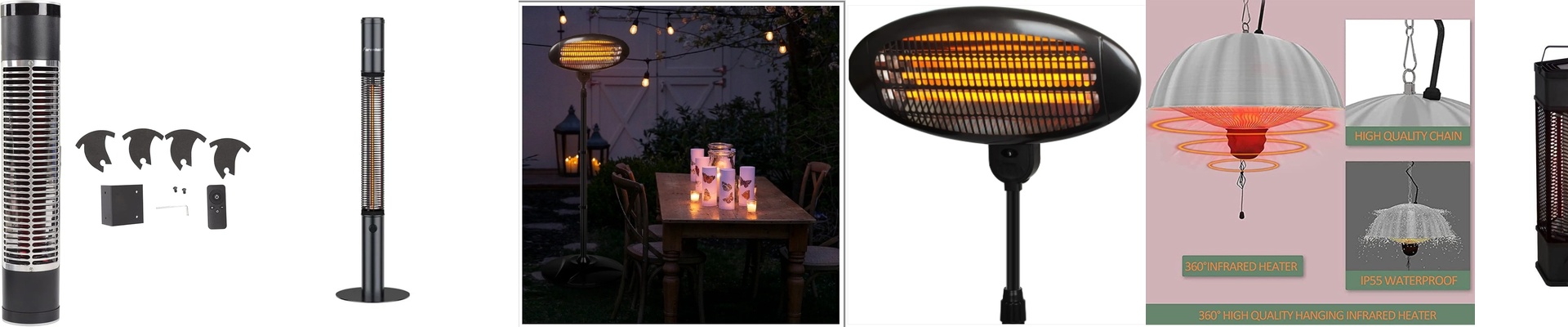
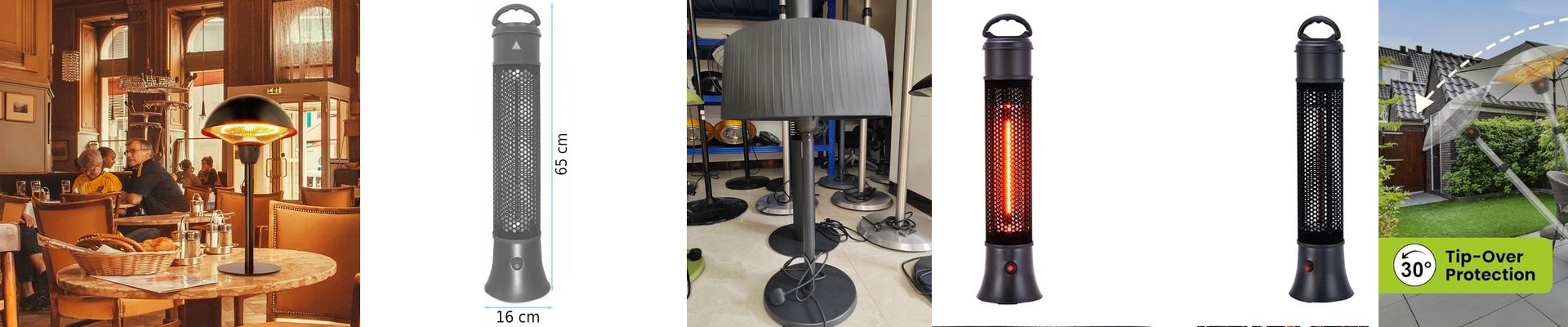
Under the hood, we usually use quartz halogen tubes with a mirrored reflector. The mirror isn’t just for looks—it focuses the beam so the heat is intense enough to zap standing water quickly. But here is where you have to be careful:the power. High-wattage lamps give you that instant heat we all love, but they can be a beast on your electrical system. If your wiring isn’t up to the task, you’re going to be tripping breakers. Also, make sure your connectors (like the R7s or SK15) are snug. A loose connection can lead to arcing, and that’s a quick way to burn out your hardware.
A few things to keep in mind
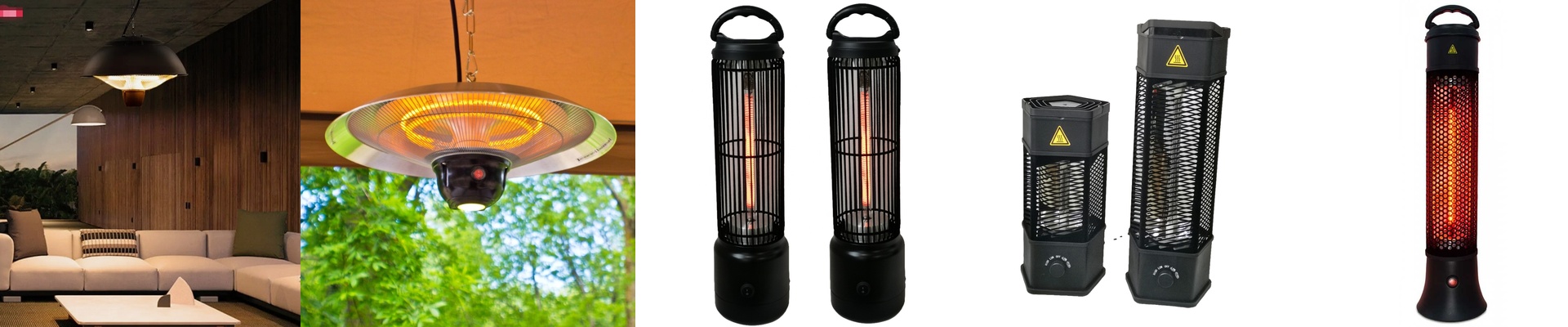
Short-wave IR is fast. Like, really fast. But that speed comes with a catch: it’s bright. If you mount these too low, the glare can be blinding. Trust me, you don’t want that while you’re brushing your teeth. The best bet is to recess them into the ceiling. It keeps the light out of your eyes and focuses the heat exactly where it needs to go—the floor and the walls. And one last tip:keep your vent fan running. The heater handles the moisture on the walls, but you still need to move that humid air out of the room. Otherwise, your ceiling just becomes a giant heat soak, and you lose some of that efficiency.