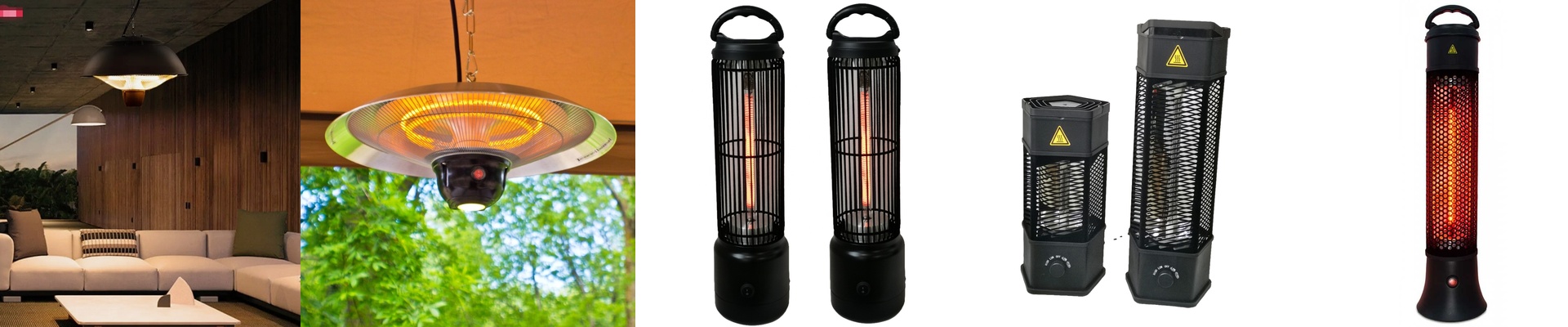
If you’re putting a recessed infrared heater in a bathroom, a kitchen, or some kind of industrial wash-down area, you’re basically putting it in a war zone. Between the steam and the actual splashes of water, most heaters just can’t hack it. They short out, the elements burn, and you’re left with a dead unit. We built our recessed heaters to actually survive that. Dealing with the fog You know that fog that builds up on a mirror? Same thing happens to the glass and reflectors on a heater. When water droplets sit on a surface that’s screaming hot, it creates this weird thermal stress. Over time, you get tiny micro-cracks in the glass. Not great. To stop that, we use a specific anti-fog coating and a housing design that keeps humid air from just sitting there. It keeps the airflow moving and the surface tension in check, which basically means the heating element stays dry. Keeping the water out One bad splash in the wrong spot—like a power terminal—and your heater is toast. That’s why we use gaskets and recessed shielding. We’re focusing on the “danger zones” where the power leads hit the element, making sure water can’t sneak in from the ceiling cutout. But here is the catch:**your cutout has to be precise.**If you leave a gap that’s too wide, you’ve just broken the seal. No matter how good the heater is, moisture will find a way in. The long game Most standard heaters in wet areas are dead within 18 months. They just rot from corrosion or the glass gives up. We did things a bit differently. We used a sealed chassis, which means the unit runs a little hotter on the inside. It’s a trade-off, sure, but it’s a fair one. I’d rather the internals be a bit warmer than have the whole thing rust away. It’s the only way to make sure the unit can actually take a beating and keep working.