



Infrared vs. Forced Air: Which one actually works for your cleanroom?
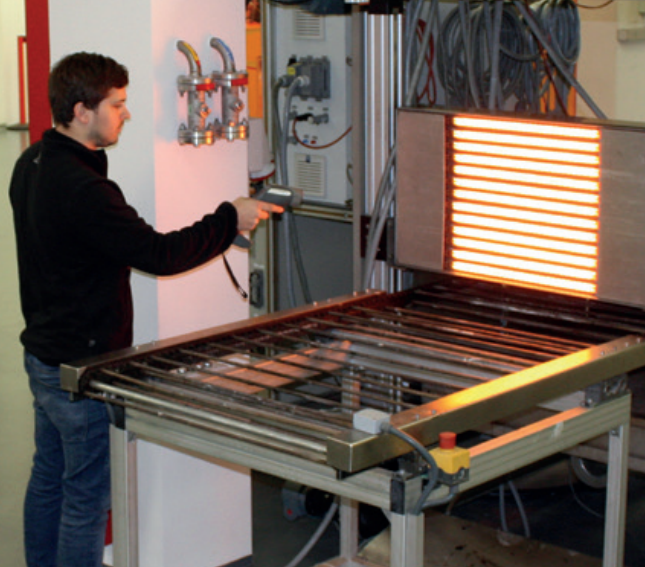
When you’re picking out an oven for semiconductor processing, it really comes down to one thing: how you want to move your heat. Most people start with forced air. You know the drill—heat the air, blast it around with fans, and hope it reaches your substrate. But there’s a lag there. You’re waiting on the air to do the heavy lifting. IR heating just cuts out the middleman. It uses electromagnetic radiation to put the energy straight into the workpiece. No waiting. No “warming up the room.” The clock is always ticking In a fab, time is literally money. If you’re using a forced air oven, you’re spending a chunk of your day just waiting for the chamber to stabilize. It’s a drag. IR heaters hit their target temperature in seconds. You’ll notice the biggest difference during curing and drying. Since IR actually penetrates the material instead of just baking the surface, your soak time drops. You get parts moving through the line way faster. It feels like the bottleneck just disappeared. The catch Now, IR isn’t a magic fix for everything. It’s “line-of-sight.” If your parts are stacked or have weird, complex shapes, you’re going to hit some cold spots. You can’t just throw things in and hope for the best; you have to be precise with where those lamps are pointed to get an even bake. If you’ve got a bunch of different, random parts to heat in bulk, forced air is probably your best bet. But if you need speed and high volume? IR is the way to go. Keeping things clean Here is the part that usually sells people on IR: the air. Fans in convection ovens are basically dust-stirrers. Even with HEPA filters, moving air is a risk. It creates turbulence, and turbulence moves particles. IR heaters just sit there. No blowers, no wind, no dust migrating onto your wafers. Plus, the machines are usually smaller, so you get some floor space back. One quick tip if you’re making the switch: check your power rails. Those high-wattage IR arrays pull a lot of current. You might need to beef up your wiring so you aren’t tripping breakers every time you hit peak load.